cmtucker

-
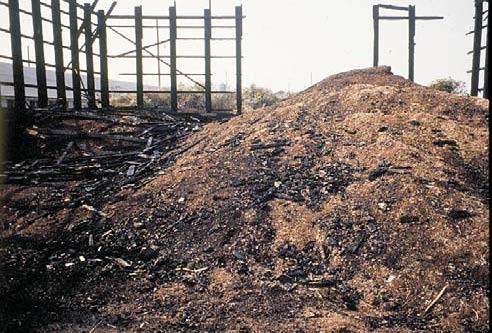
Hundreds of poultry manure/litter storage structures have been built as components of total waste management programs on poultry farmsteads. Storage facilities help prevent the possibility of water pollution and provide flexibility in the timing of land applications. They also protect this resource from the weather and wildlife so that it can be used as fertilizer…
Posted in: Poultry Co-Product Management -
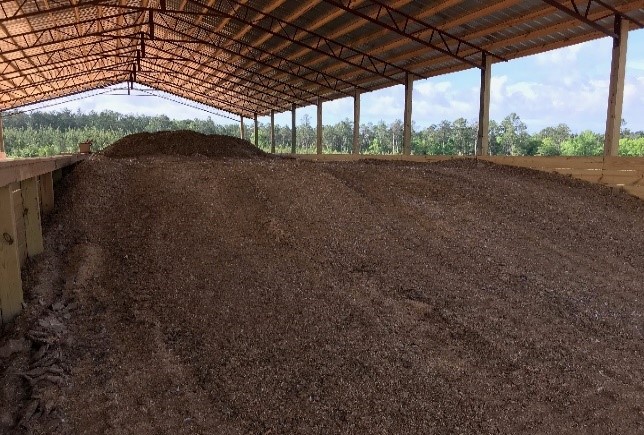
In today’s commercial poultry industry, dry stack litter sheds are important components of a poultry producer’s waste management program. Litter storage structures enable poultry farmers to store or stockpile litter and later land apply at the appropriate time. Litter is periodically removed from poultry houses and must be handled in an environmentally sound manner. To…
Posted in: Poultry Co-Product Management -
Improving nutrient utilization has continued to be a high priority for the poultry industry. This has been addressed through several avenues that include genetic selection of meat birds with better nutrient utilization; precision nutrition to more efficiently address nutrient requirements; improved understanding of ingredient value; and utilization of enzymes to increase the digestibility of feedstuffs.
Posted in: Poultry Co-Product Management -
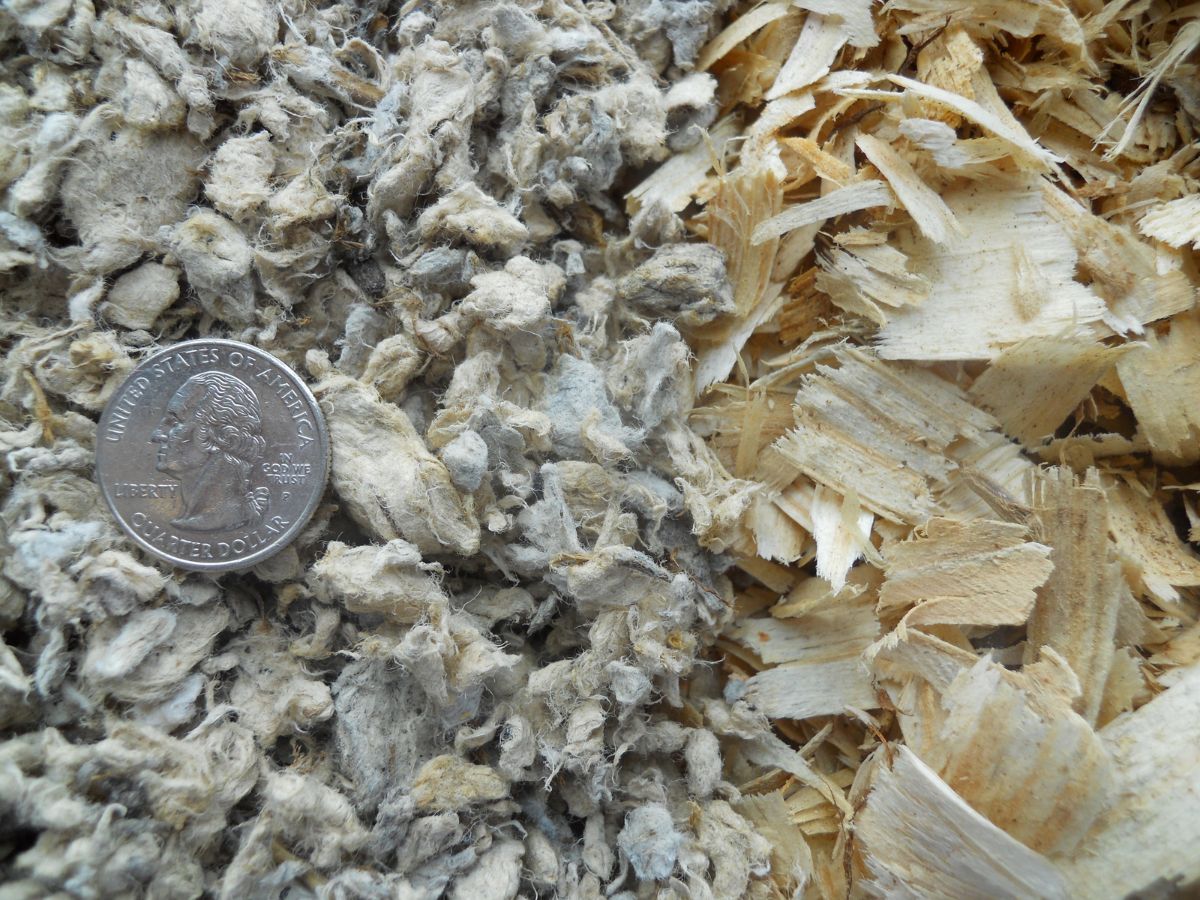
In the Near East (Morocco), straw is the conventional poultry litter. Recent drought conditions, however, have depleted supplies, forcing growers to pay more and settle for less — or find alternatives. This story is repeated in many regions: the conventional bedding materials and the cause of the shortage may vary, but the race is on…
Posted in: Poultry Co-Product Management -
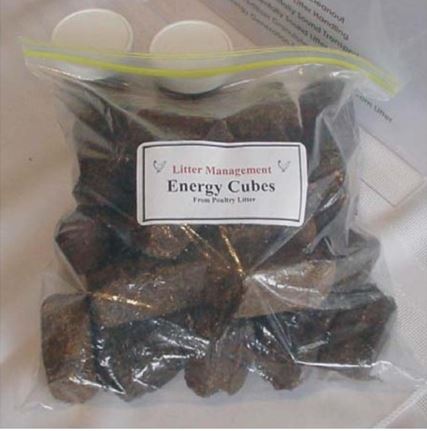
Incineration of on-farm poultry mortalities increases in popularity as new technologies add affordability to perceived environmental and health advantages that incineration can offer over other methods of dead bird disposal. Engineering and technology research have developed several waste-to-energy options that are technically and environmentally sound. Litter, layer manure, and liquid waste can all be transformed…
Posted in: Energy Conservation -
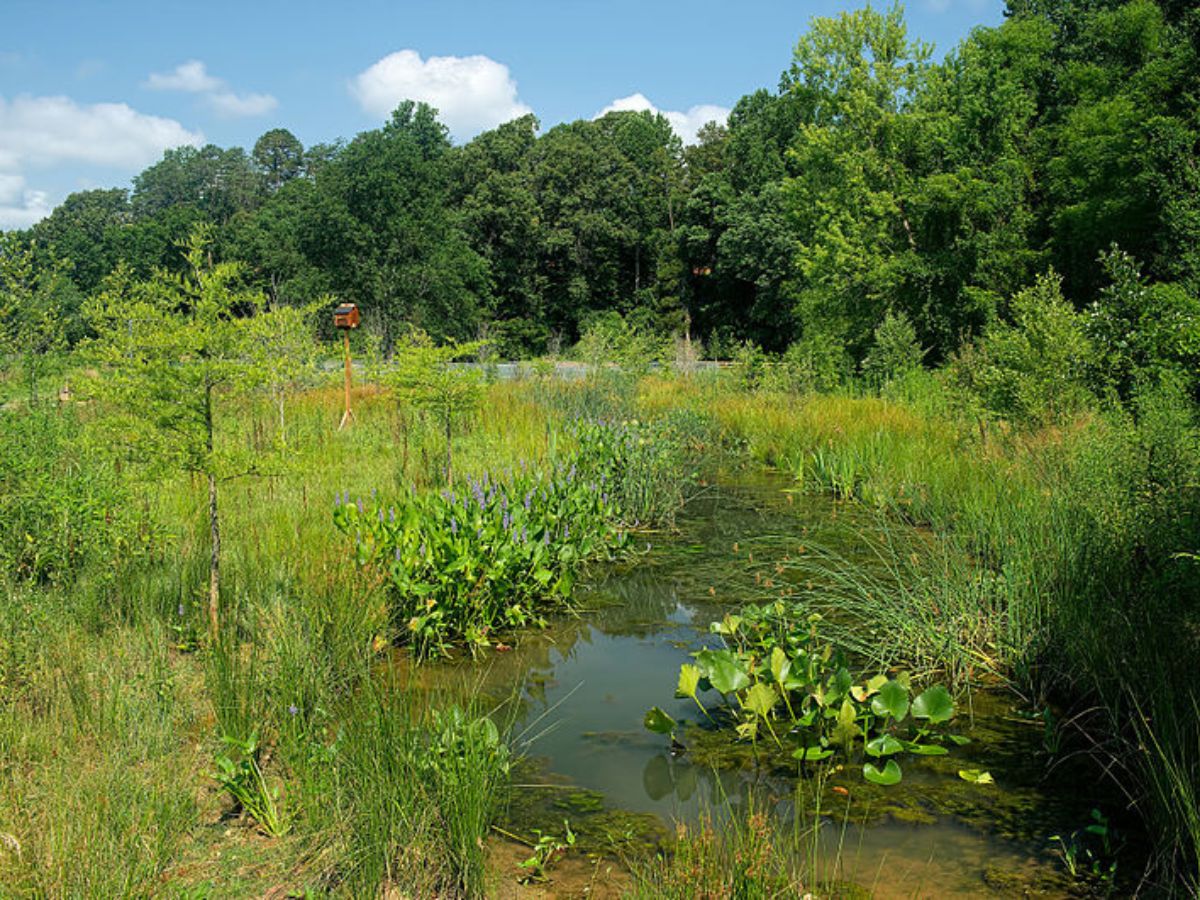
Best Management Practices (BMPs) can be adopted as part of the poultry grower’s operating procedure. For example, stormwater can be diverted from poultry houses and manure storage areas, and land applications can be made when no storms are predicted. In addition, the arsenal of BMPs now includes the use of constructed wetlands for treating runoff…
Posted in: Soil and Land Application -
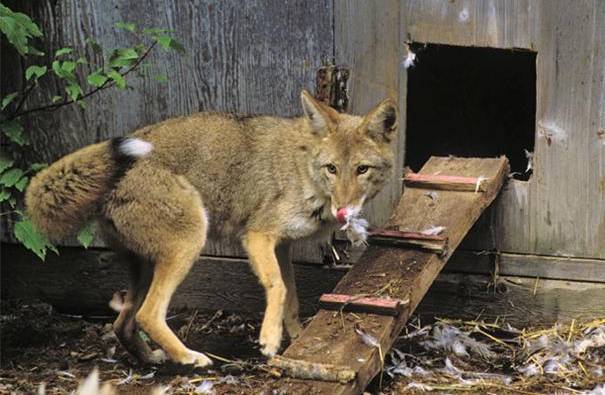
Coyotes and feral dogs are opportunistic feeders. If they live in the area, their presence around a poultry house is not remarkable. They will kill the poultry for food, but they can easily be prevented from gaining access to the house. Complete confinement of the poultry is the best way to stop predation.
Posted in: Poultry Farmstead -
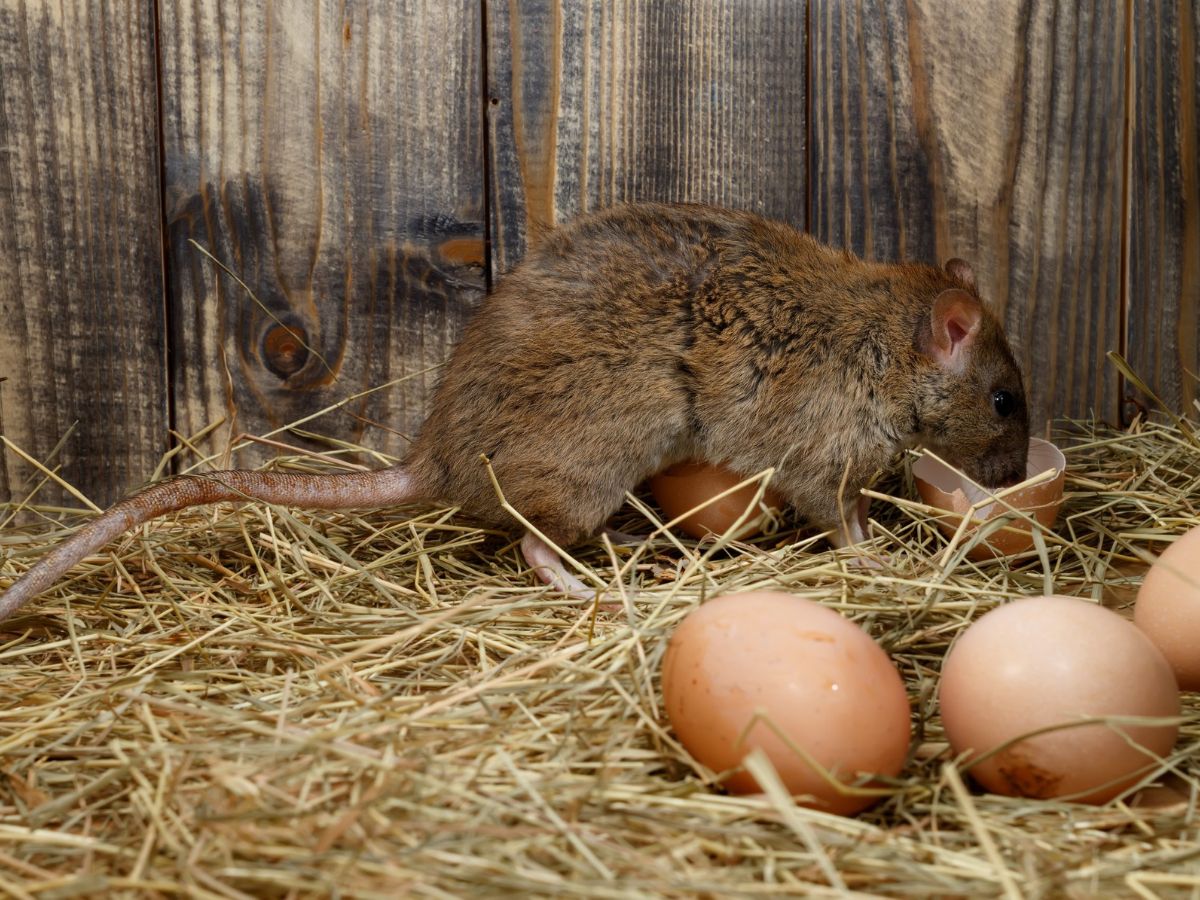
Voles, field mice, and cotton rats are not usually the source of problems for poultry growers. Norway rats and roof rats, however, are two non-native species of rats that can be troublesome — and they proliferate rapidly.
Posted in: Poultry Farmstead -

Known as litter beetles, lesser mealworms, or “black bugs,” the darkling beetle (Alphitobius diaperinus) is found in large numbers in poultry houses, in the woods, and around feed bins. These black or reddish-brown beetles are troublesome in turkey and broiler production because deep litter and open-floor housing provide an ideal habitat in which the beetles…
Posted in: Poultry Farmstead -

View our alphabetical directory of state water quality agencies.
Posted in: Weblink Resources