Matthew Narron

-
 Posted in: Uncategorized
 -
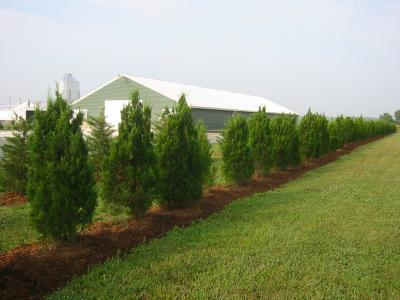
Introduction The U.S. poultry industry is the world’s largest producer and second largest exporter of poultry meat. U.S. consumption of poultry meat (broilers, other chicken, and turkey) is considerably higher than beef or pork. Considering overall animal production in the U.S., the total number of chickens per farm has increased considerably. This national trend of…
Posted in: Poultry Farmstead -

Poultry litter is an excellent, low cost fertilizer if used properly. Land application of litter returns nutrients and organic matter to the soil, building soil fertility and quality. In addition to the macronutrients, N, P and K, poultry manure contains calcium, magnesium, sulfur, and micronutrients.
Posted in: Poultry Co-Product Management -
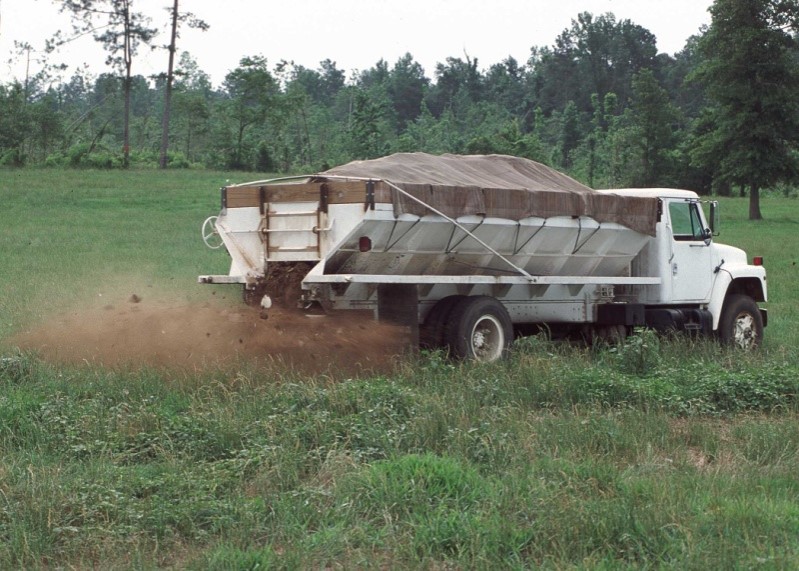
Poultry litter is commonly used as a fertilizer on pastures and hayfields in North Georgia. As the poultry industry expands to South Georgia, more litter will be available and its use in this region is expected to increase. Poultry litter is a good source of many nutrients. In fact, it is much like a complete…
Posted in: Poultry Co-Product Management -

Organic producers must “maintain or improve the physical, chemical, and biological condition of the soil and minimize erosion.” The application of raw manure to organic crops and the process of making of composts from animal manures are both regulated under organic production. Healthy soil is the basis for organic agriculture. Healthy soil can provide an…
Posted in: Small Flock and Alternative Production -
This article reviews the basics for manure management in organic systems. Topics covered include National Organic Program regulations, the risk of contaminants in manures, guidelines on how to manage nutrients in manure, and testing manure or compost. Some of the challenges of nutrient supply and test interpretation associated with the repeated use of manures are…
Posted in: Small Flock and Alternative Production -
Marketing manure can be a beneficial, low-risk way for livestock producers to manage animal waste on their farms while incorporating a value-added product into their overall business plan. The opportunity to sell a waste product and recoup an economic benefit while reducing potential environmental liability is a sought-after outcome for many farms. This guide discusses…
Posted in: Small Flock and Alternative Production -
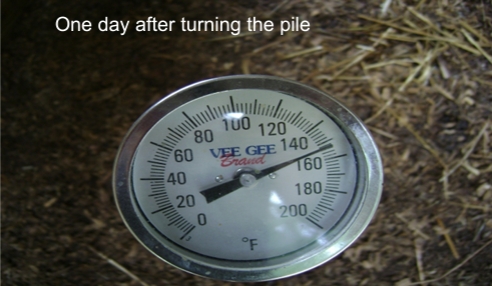
Composting daily mortality can be a useful, cost-effective management tool when practiced correctly. However, it can be environmentally harmful if it is not managed and monitored properly.
Posted in: Poultry Mortality Management -
 Posted in: Water Quality
 -
 Posted in: Air Quality