cmtucker

-
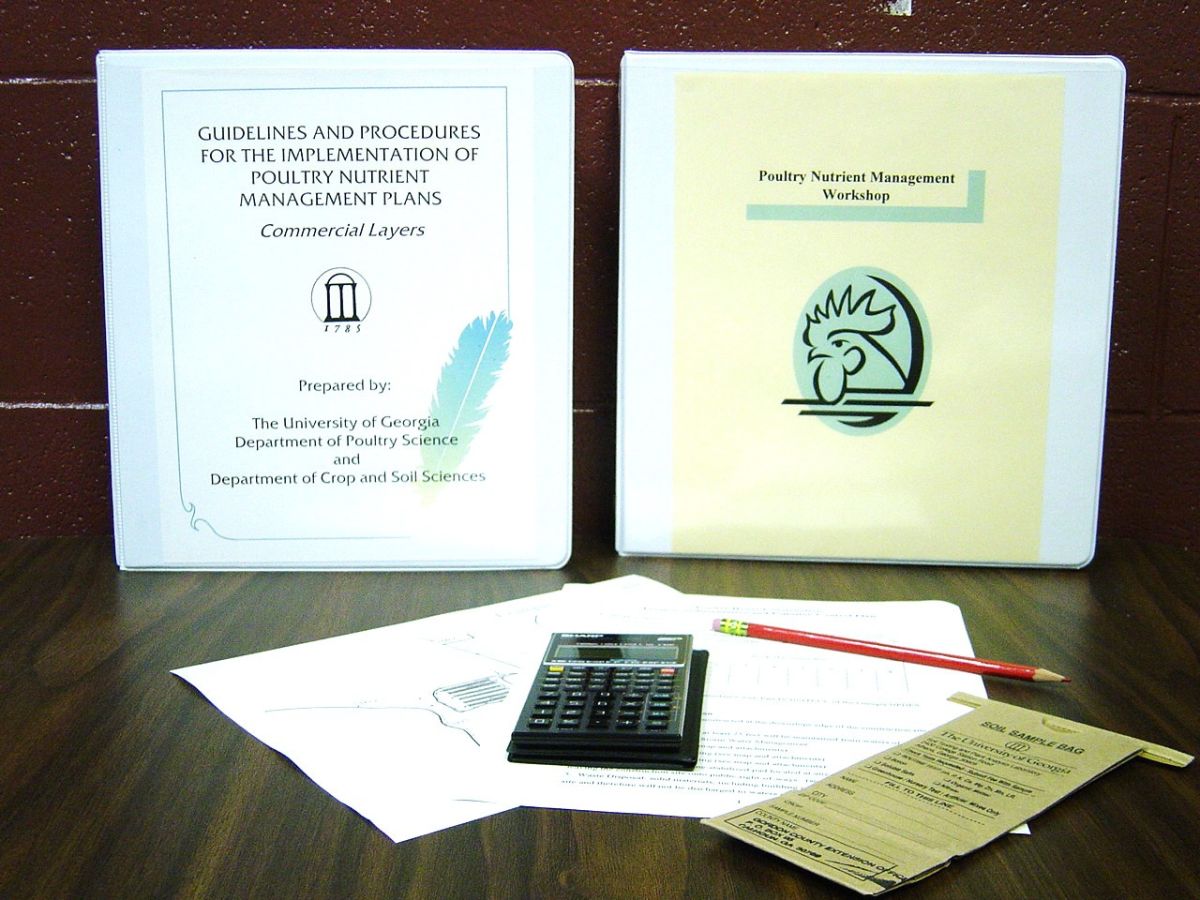
Successful farmers have always been concerned about soil and water quality. Today more than ever, achieving this goal requires not only commitment but hard work. It may be true that farmers, growers, and other producers would not usually call government regulations “helpful.” However, the federal, state, and local regulations that apply to poultry and other…
Posted in: Poultry Co-Product Management -
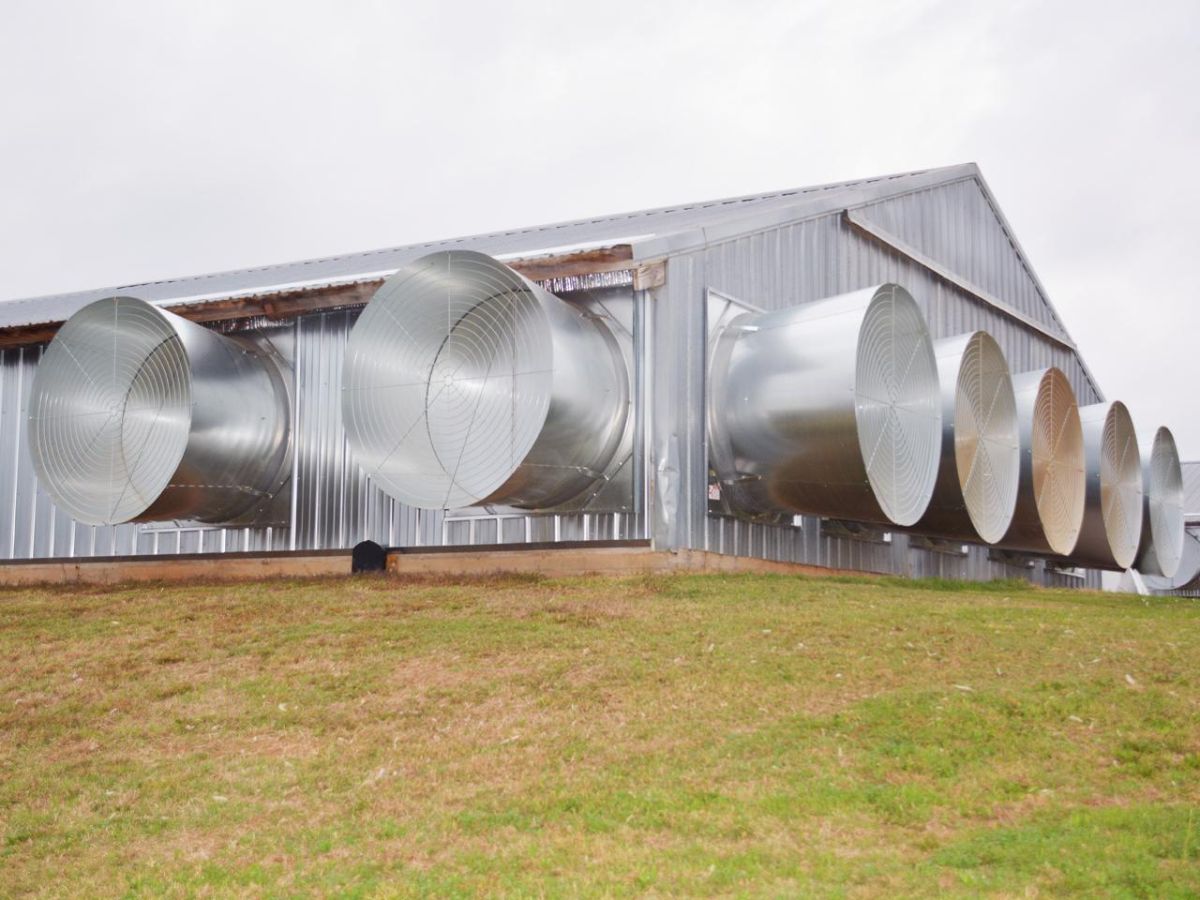
The Clean Air Act of 1955 established specific National Ambient Air Quality Standards (NAAQS) for six compounds: carbon monoxide, ozone, particulate matter, sulfur dioxide, nitrogen oxides, and hydrocarbons. Subsequent reauthorization and amendments (especially in 1970) provided for uniform air quality standards and control of emissions from existing facilities. That is, the regional U.S. Environmental Protection…
Posted in: Air Quality -
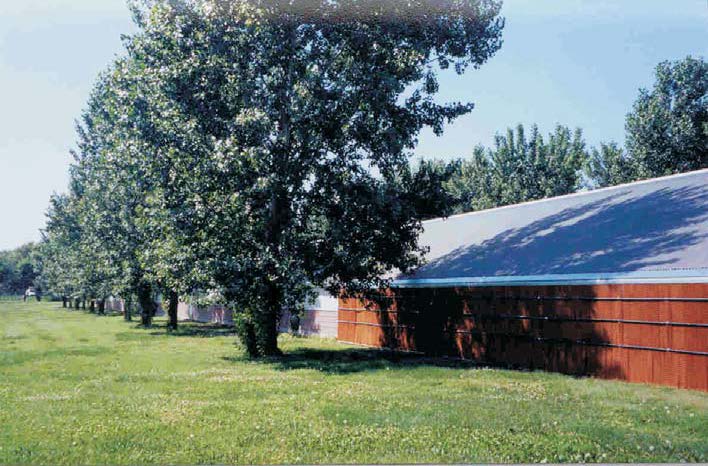
The continuing urbanization of rural America combined with environmental regulation requires poultry producers to develop new approaches for meeting both increasing nuisance complaints and regulatory requirements. Strategically planting trees around poultry houses is a sound, practical, efficient, and cost-effective technology for addressing both issues.
-
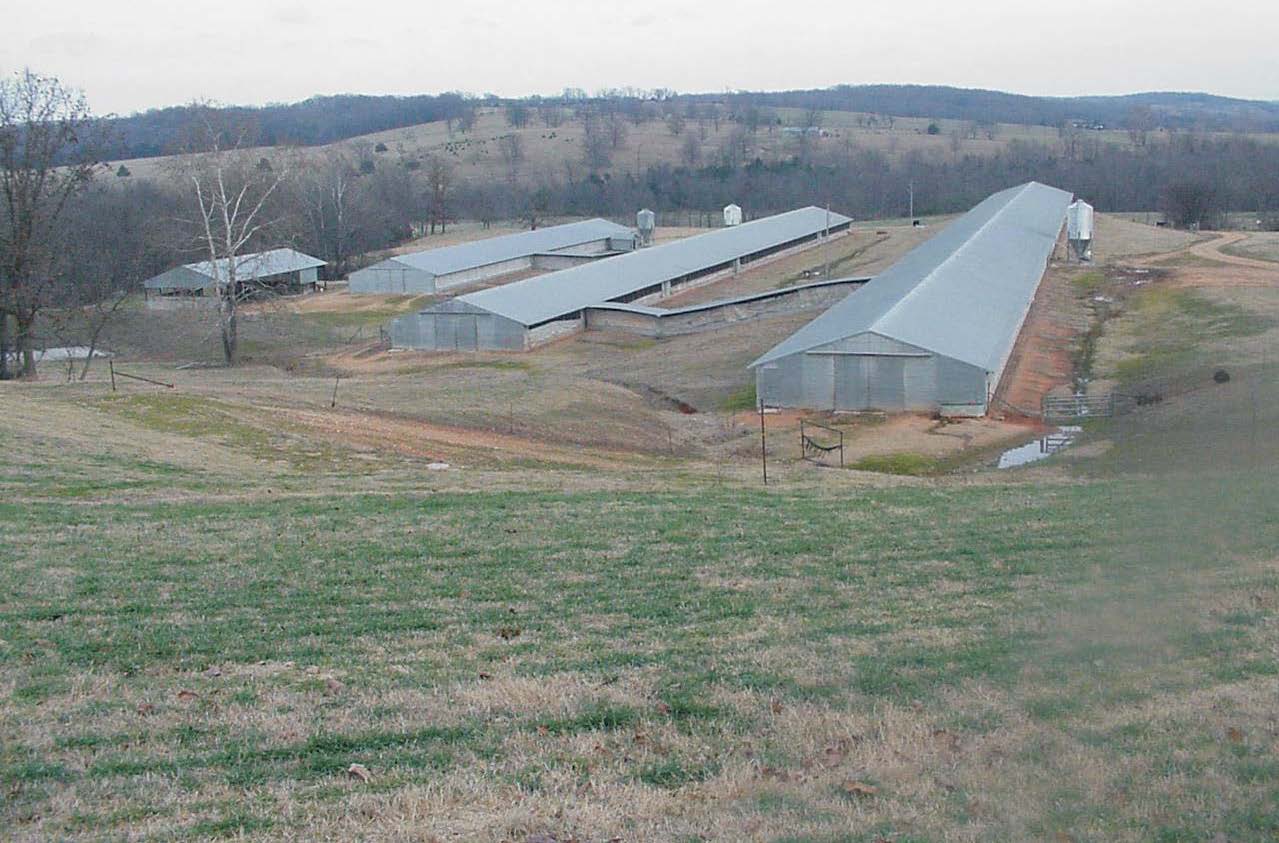
The design and placement of poultry facilities — and farmstead planning in general — are important elements in the subsequent operation and maintenance of an animal waste management system and the overall profitability of the poultry enterprise. The aesthetic value of the land and its attractiveness as a place to live are primary considerations; so, too,…