Matthew Narron

-
Litterpedia brings together chicken bedding and litter management information for the Australian chicken meat industry in one, easily accessible location. Chicken litter, or bedding, is an essential part of breeding and growing meat chickens. Litter in good condition—dry and friable—optimises chicken health and welfare, improving their growth and productivity. Here you will find litter resources…
Posted in: Weblink Resources -
The LPELC is a network made up of professionals from across the U.S. and Canada with an interest and expertise in some aspect of animal agriculture and environmental stewardship. This learning network offers faculty and staff with opportunities to network, collaborate, mentor, and share. The network was officially established in 2005 with a USDA National…
Posted in: Weblink Resources -
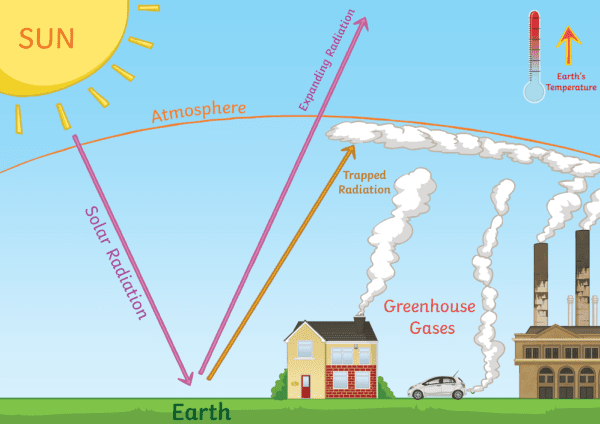
In recent decades, atmospheric concentrations of certain gases have increased rapidly to levels that have not been seen before. Greenhouse gases are those that can absorb and emit thermal radiation (heat) that would otherwise be lost into space. These gases can prevent heat from radiating or reflecting away from Earth and may result in global…
Posted in: Air Quality -
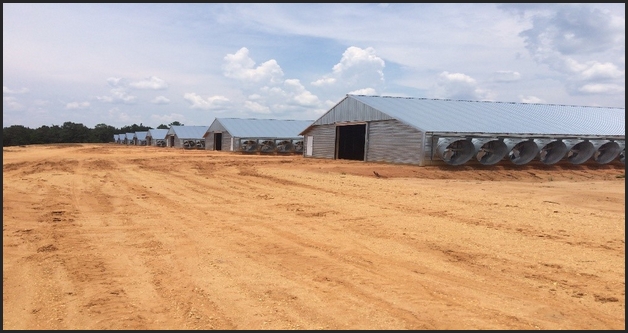
Land development throughout the country is increasingly bringing residential development and non-farmers into rural agricultural areas. Many of these new residents to the countryside have no previous exposure to agriculture or farming. As a result, they often have misconceptions about what activities occur in farming operations. This influx of new (and perhaps misinformed or uneducated…
-
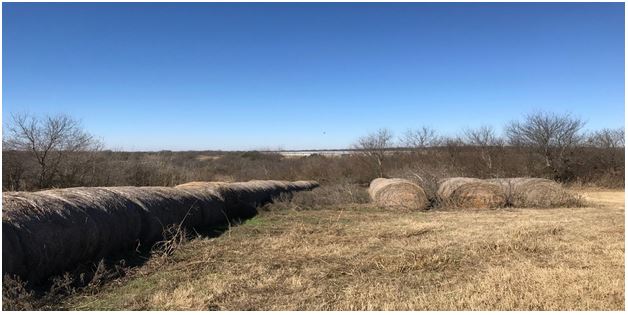
It is important that agricultural zoning ordinances be carefully devised and based on fact and not emotion for the protection of farmers and their nonfarm neighbors (Figure 1). Municipal ordinances to remove farm animals from city limits played a central part in defining city planning’s role in urban ecosystems, economies, and public health throughout the…
Posted in: Resources for Local Governance -

Manure management on duck, geese, and some layer operations is often handled through liquid waste systems, even though water increases the volume of waste to be processed. In liquid waste management systems, collection and storage are generally combined in one operation, in facilities that may include pits, settling tanks, and/or lagoons (earthen storage ponds). Lagoons…
Posted in: Poultry Co-Product Management -
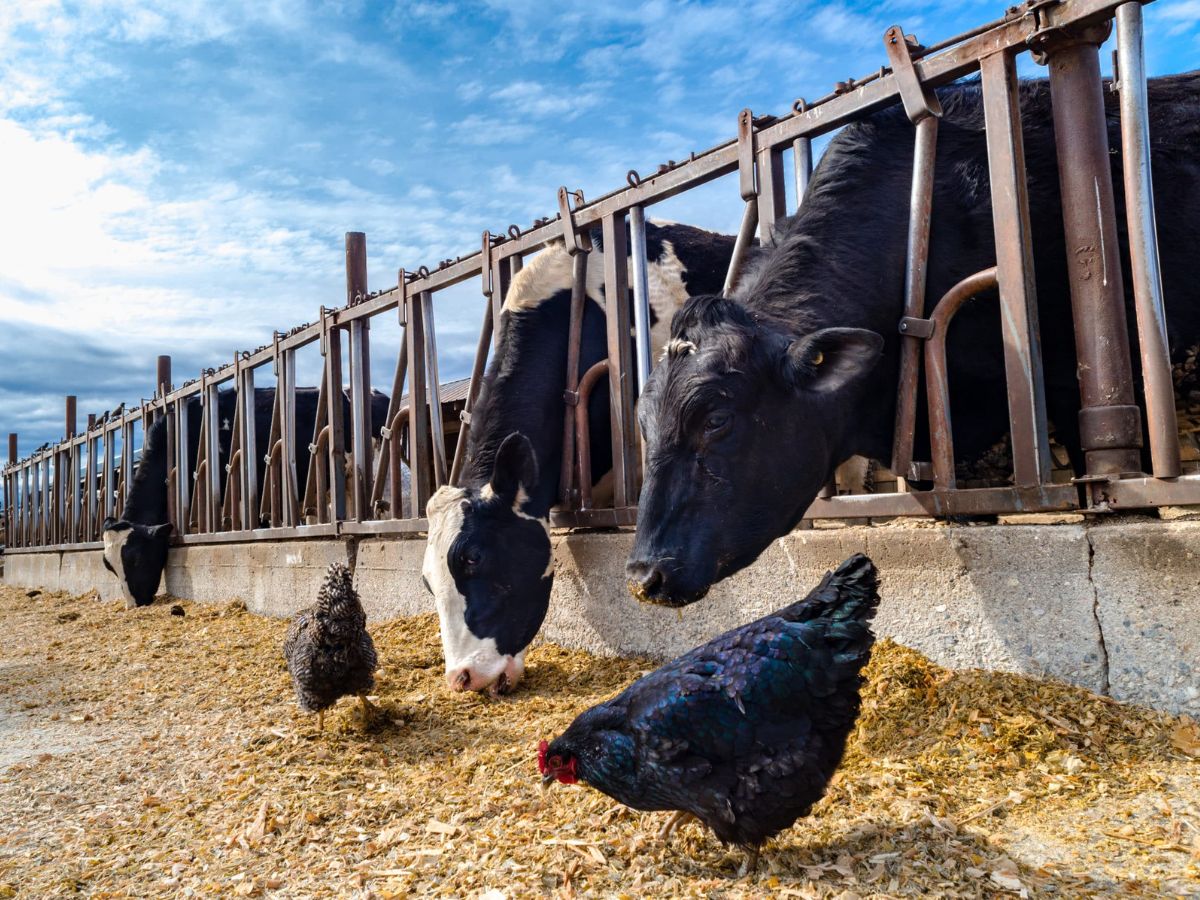
Broiler and turkey litter and caged layer waste (commonly referred to as dried poultry waste or DPW) can be mixed with corn and fed to cattle and other ruminants (e.g., sheep and goats). While corn may be the most popular ingredient to mix with litter, any number of palatable feeds in addition to corn can…
Posted in: Poultry Co-Product Management -
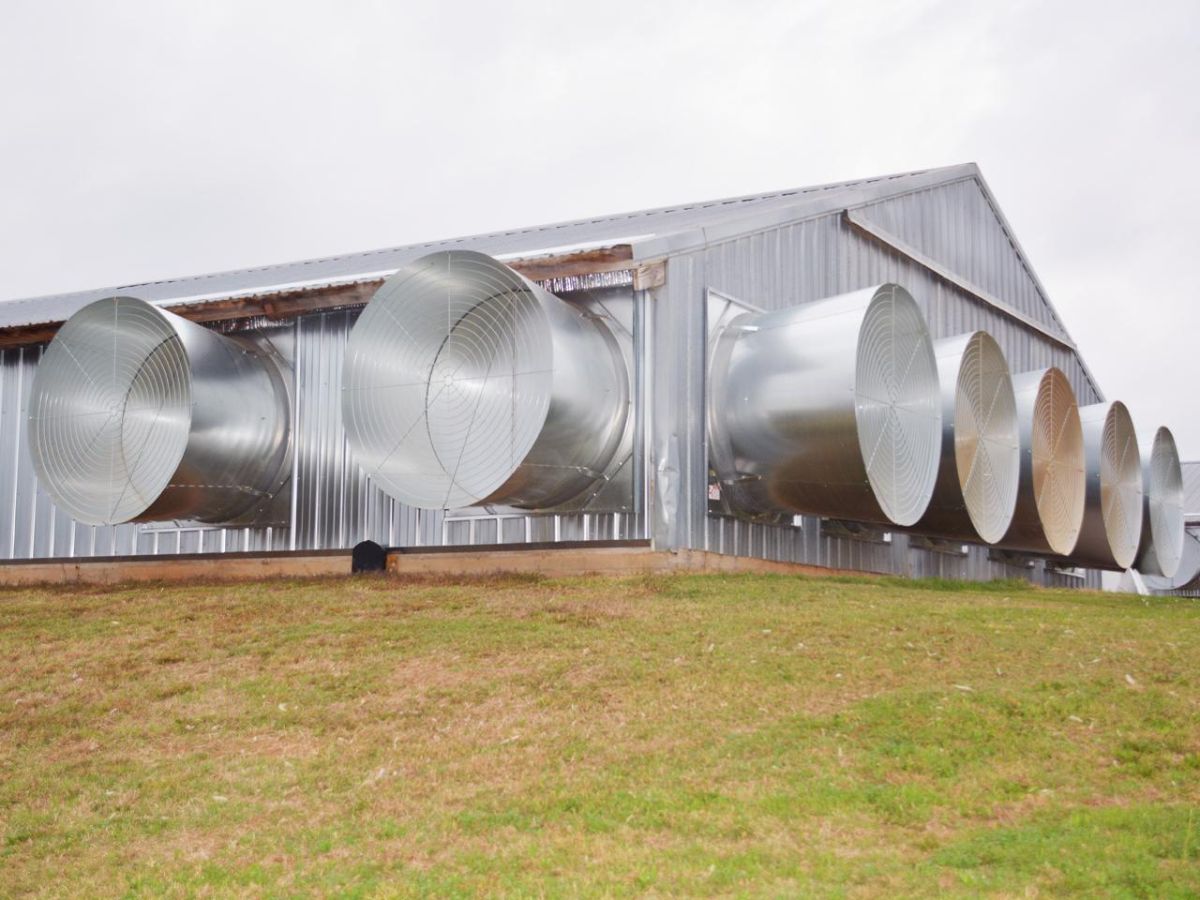
While providing on average 17 percent of food calories and more than a third of protein to human diets (Herrero et al., 2009), livestock consumes almost 60 percent of the total global biomass harvest (Krausmann et al., 2008), uses around 30 percent of agricultural water withdrawals (Mekonnen and Hoekstra, 2010; Peden et al., 2007), and…
Posted in: Energy Conservation -
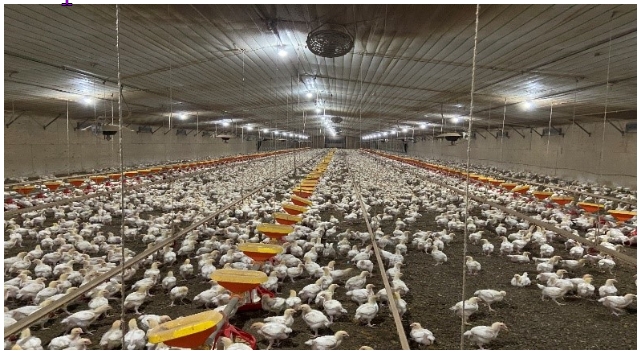
Fifteen percent of agricultural production costs in industrialized agriculture are energy related, according to the U.S. Department of Agriculture (Sands et al., 2011). Even though lighting is an essential part of most farms, only recently has lighting been seen as an opportunity to reduce energy costs. Energy-efficient lighting options offer poultry growers new opportunities to…
Posted in: Energy Conservation -
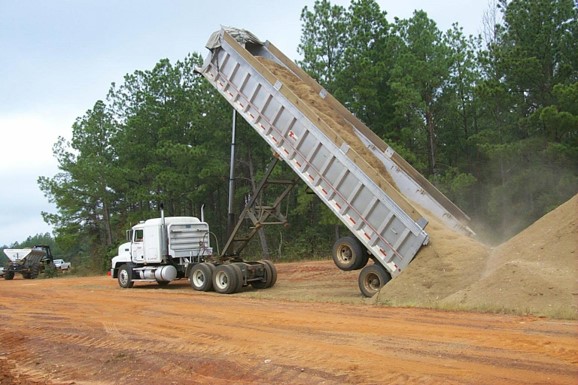
The structure of animal agriculture in the U.S. has changed dramatically over the past three decades. The poultry industry today is highly vertically integrated, resulting in increased issues with the utilization and disposal of animal waste. Enormous amounts of nutrient rich animal manures are often produced in relatively concentrated regions. Managing large quantities of poultry…
Posted in: Poultry Co-Product Management