Matthew Narron

-
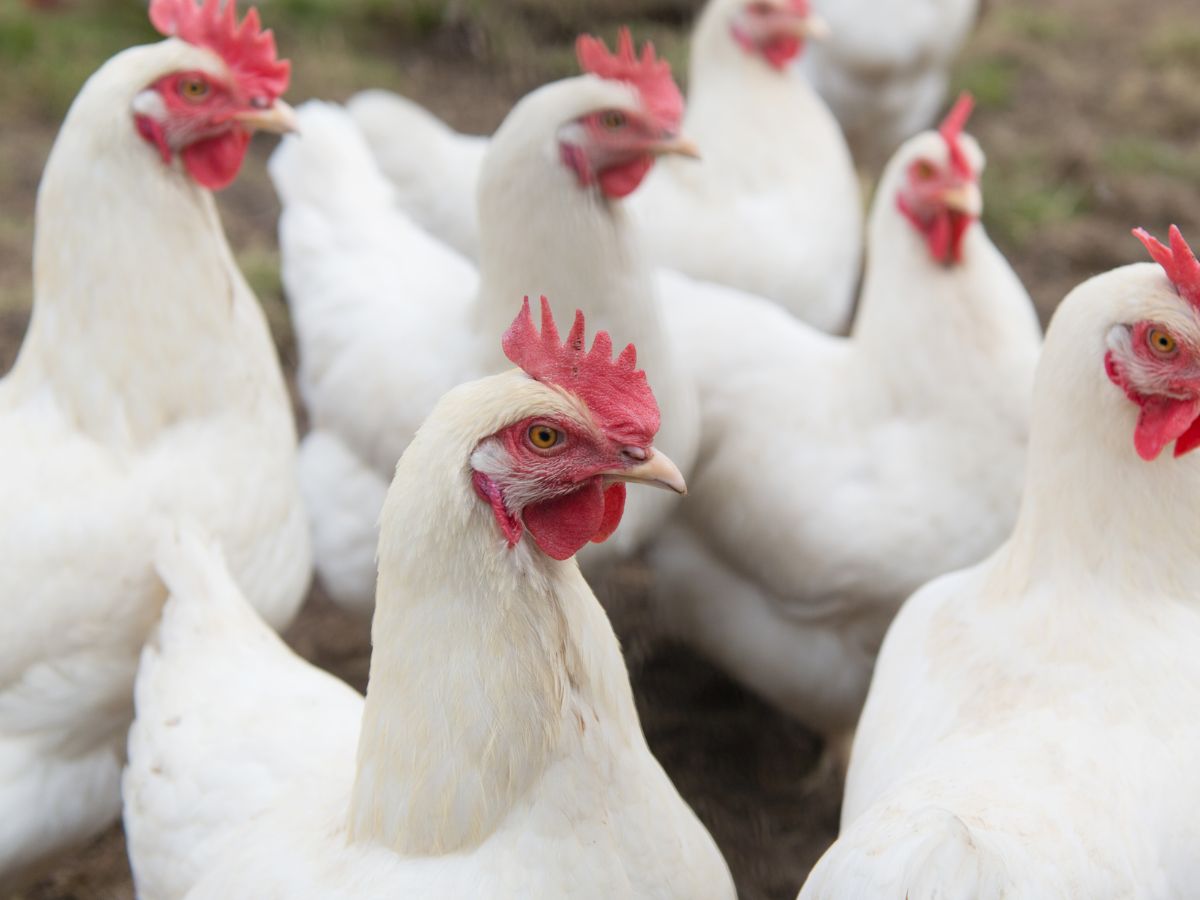
Marketing considerations are often the deciding factor when egg producers and other poultry growers begin to design a mortality management practice for their operations. Chickens, like other animal species, have determined life cycles, but all chickens return eventually as elements to the earth from which they came. How we handle their “remains,” especially when large quantities…
Posted in: Poultry Mortality Management -
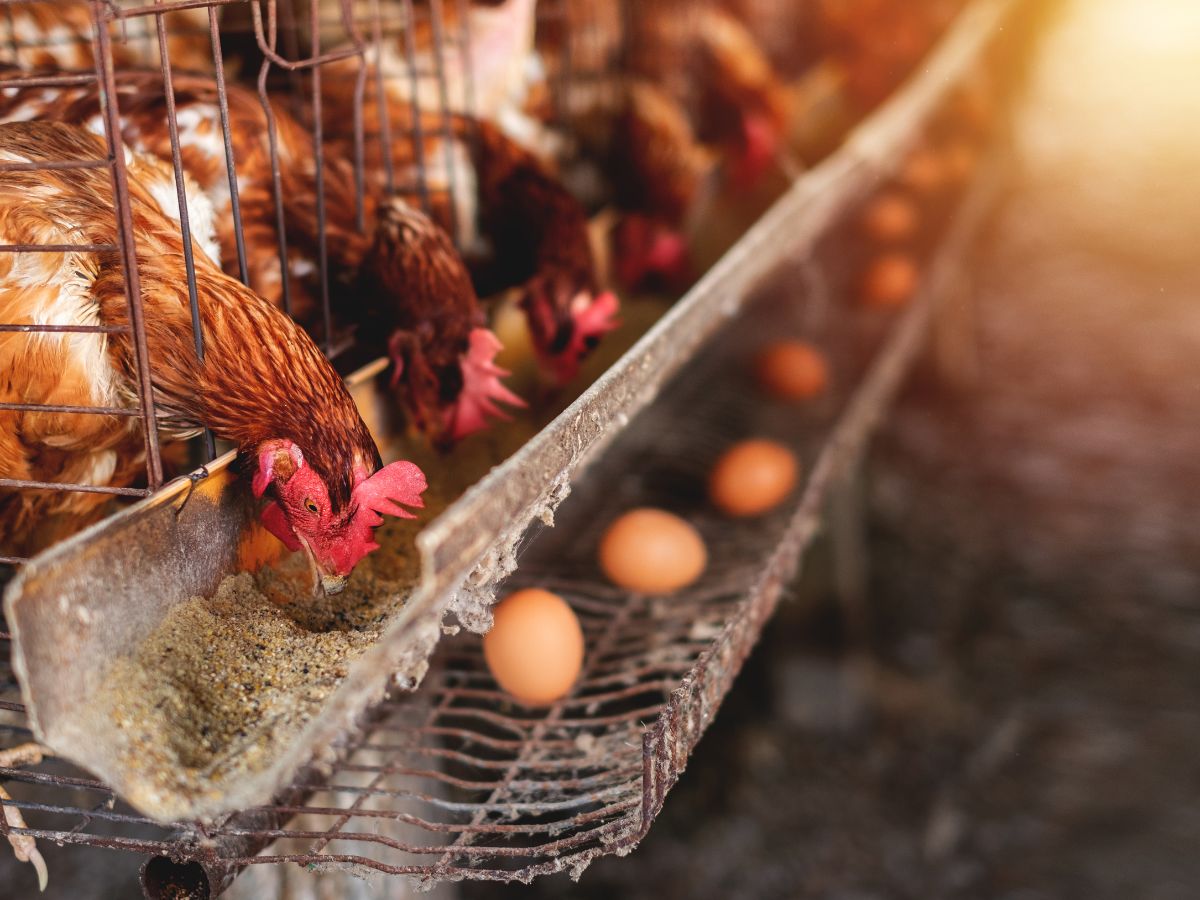
Hens produce fewer eggs as they age and at times the eggs may not be marketable. The producer can temporarily reverse this decline or recover production for six or eight months by using an induced molt. By the time hens are two years old, and veterans of two or three production cycles, they will have to…
Posted in: Poultry Mortality Management -
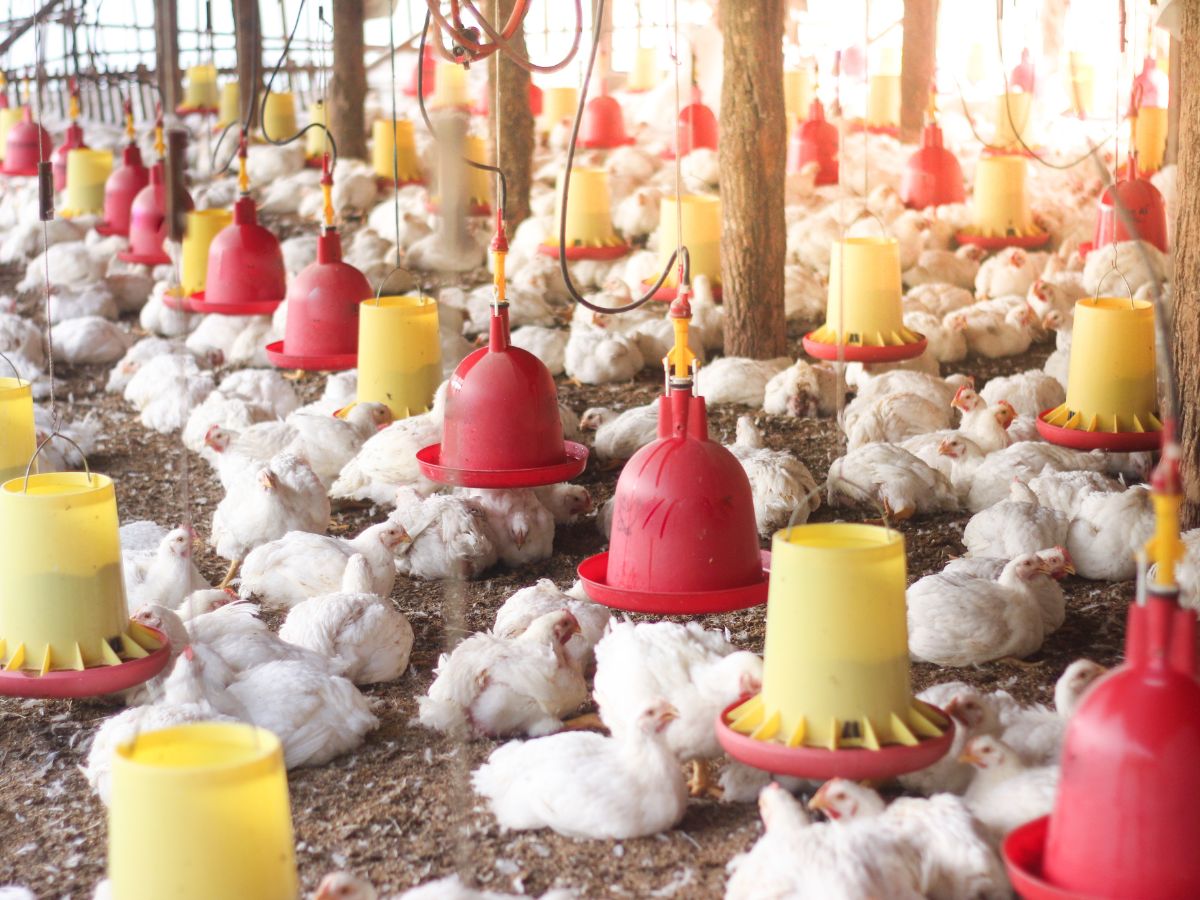
Fermentation Fermentation procedures, first proposed in 1984 and not commercially tested until 1992, are a more demanding but safer and perhaps more cost-effective method of preserving carcasses until the industry is prepared to handle their further processing and reuse. In fact, fermentation safely disposes of poultry mortalities by “processing” them on-site. The pickled carcasses can…
Posted in: Poultry Mortality Management -
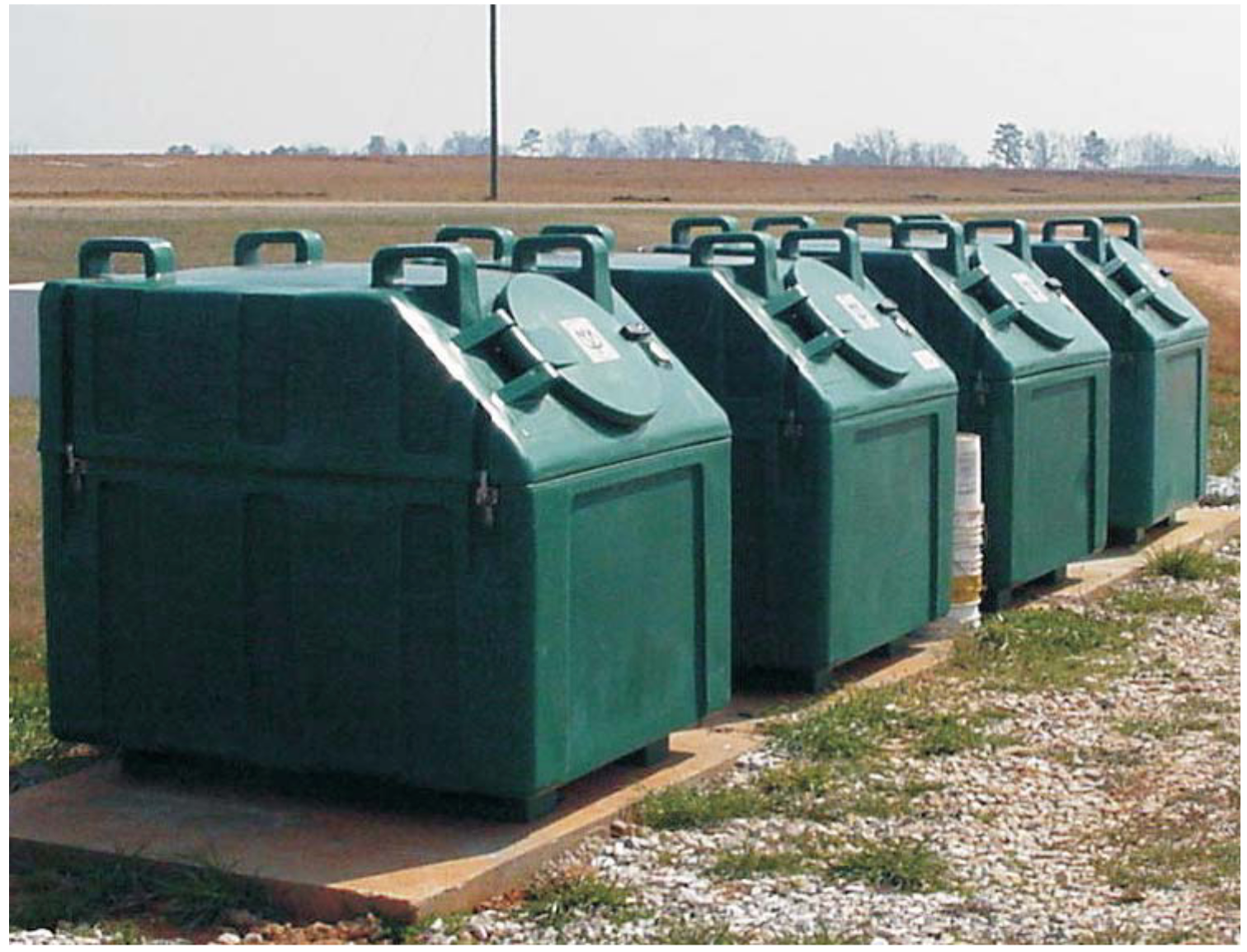
Rendering — the process of separating animal fats, usually by cooking, to produce usable ingredients such as lard, protein, feed products, or nutrients — is one of the best ways to convert poultry carcasses into other products. We are now able to reclaim or recycle nearly 100 percent of inedible raw poultry material, including bones…
Posted in: Poultry Mortality Management -
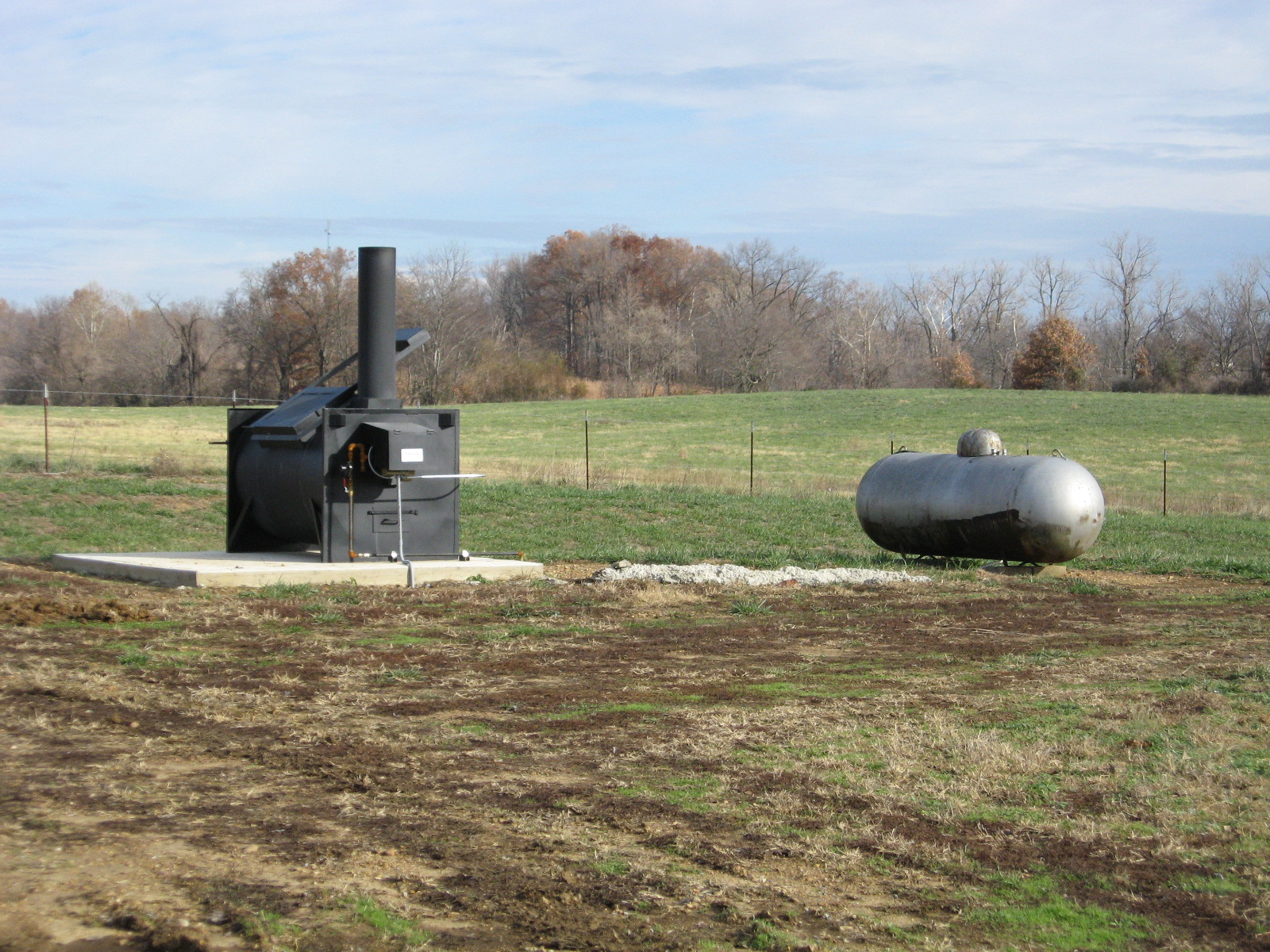
Incineration, or cremation, is a safe method of carcass disposal and may be the method of choice in areas plagued by poor site drainage and rocky soils. The major advantage of incineration is its ability to curtail disease. It is biologically secure, and it does not create water pollution problems. Even its by-product — ashes…
Posted in: Poultry Mortality Management -
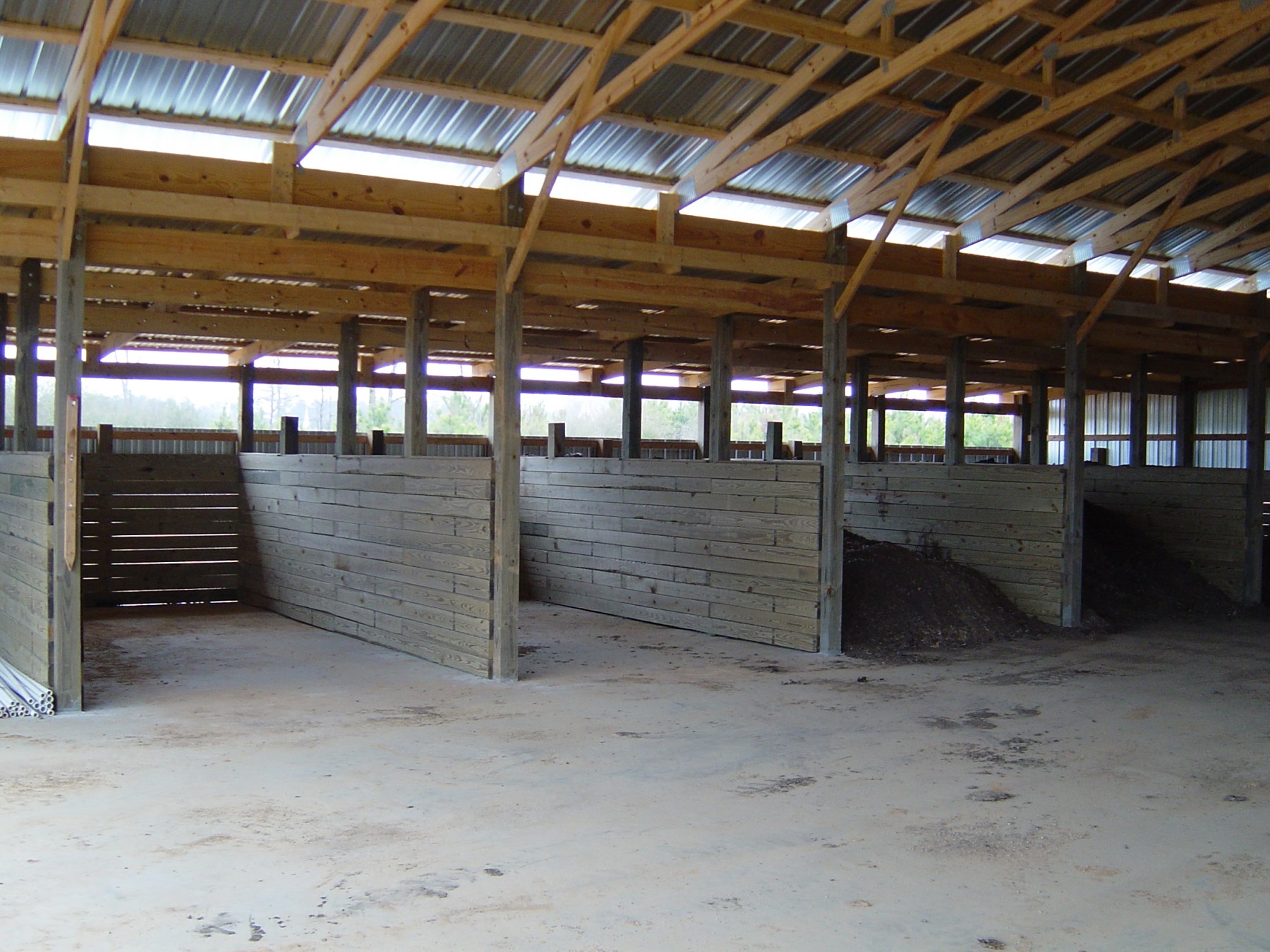
Composting poultry mortalities is a relatively new, practical, and sanitary alternative to burial pits and incinerators. It is an economical, fairly odorless, and biologically sound practice for broiler, turkey, layer, and Cornish hen operations. Management commitment is the key to successful composting. Composting resolves the disposal problem and yields a valuable product — a reduced…
Posted in: Poultry Mortality Management -
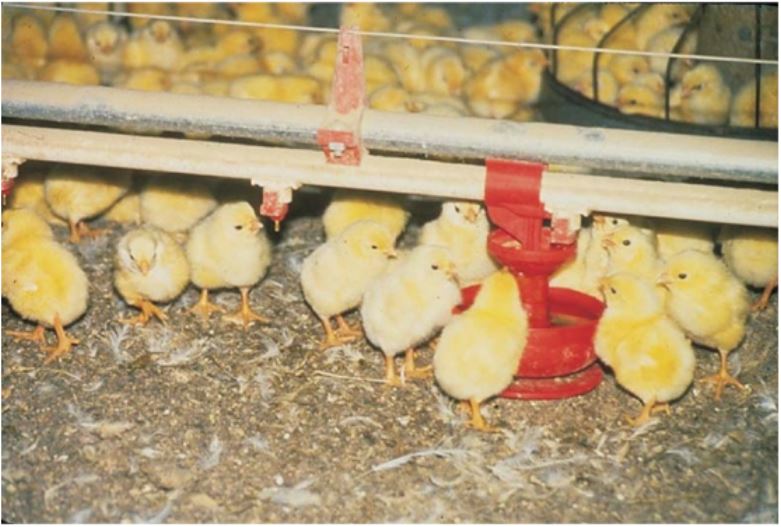
Drinking water for poultry and other animals, ourselves included, is an important dietary requirement — and an easy one to take for granted. Under normal conditions, poultry will consume twice as much water as food — two pounds of water (about a quart) for each pound of food, though this amount will vary seasonally and…
Posted in: Water Quality -
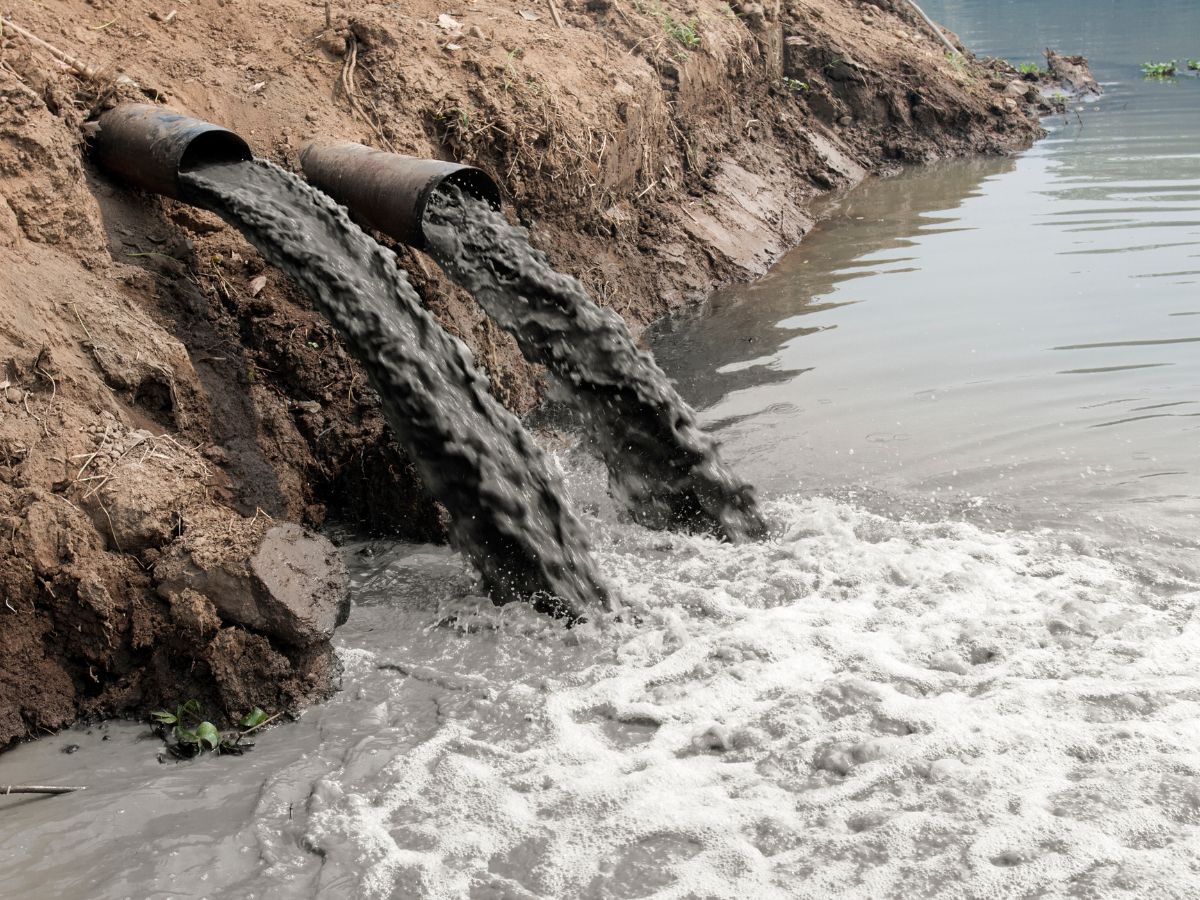
As the poultry industry grows, so does concern for water quality, conservation, and environmental management. Growers have individual and civic reasons for caring: they are responsible with other human beings for the earth’s environment, and they realize that they, their families and neighbors, and those who live in connecting watersheds, distant cities, even other countries…
Posted in: Water Quality -
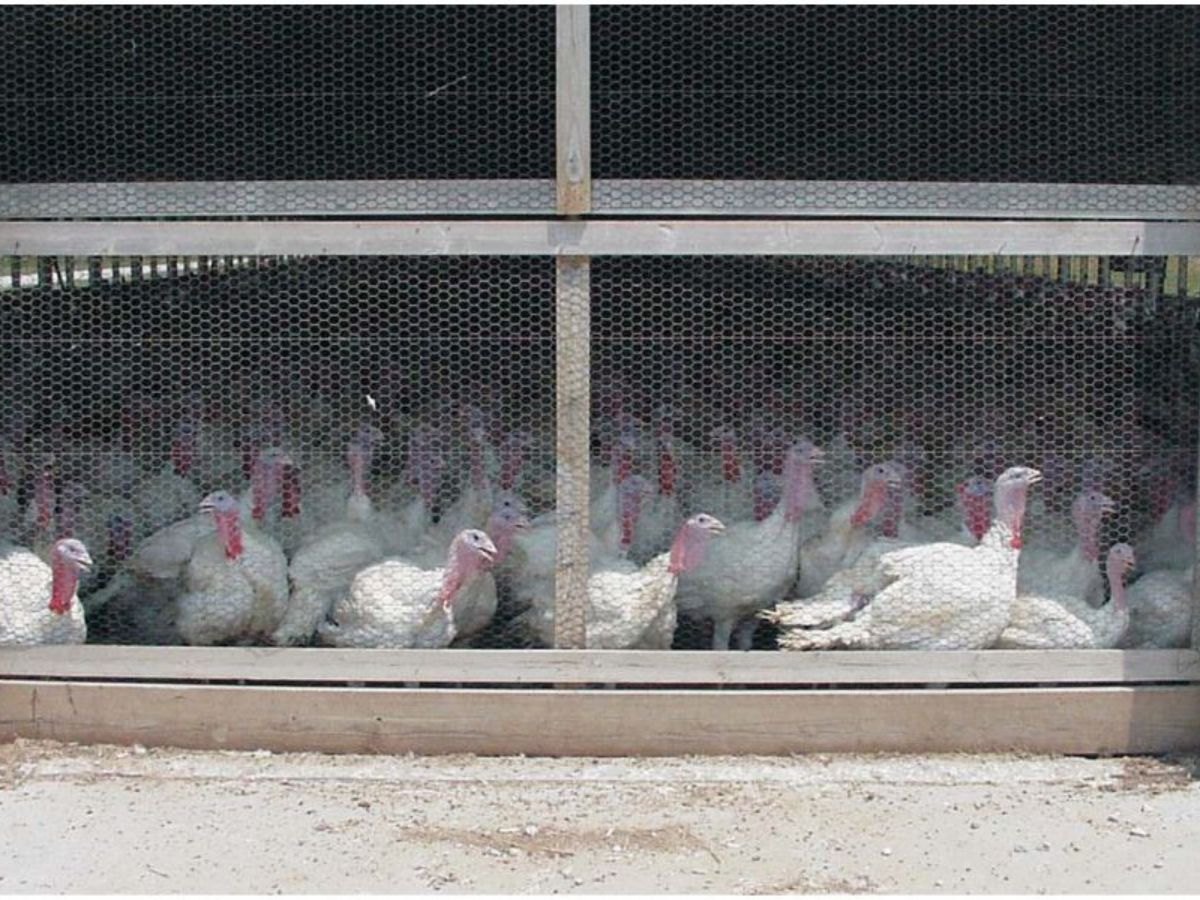
Every year, environmental issues seem to gain emphasis nationally and internationally as the importance of a cleaner environment and respect for pollution prevention practices receive increasing public support. The matter is most pressing to livestock and poultry producers because as environmental sophistication grows so does the focus on nonpoint source pollution. What is more, this…
Posted in: Water Quality -

Protecting natural resources is a major goal of the agricultural community in general, and poultry producers in particular, who care about the environment. The quality of our air, soil, and water resources, the welfare of our animals, and human health issues are important to us and to our children; they are our connection to the…
Posted in: Water Quality