Poultry Co-Product Management
-

Poultry litter is an excellent, low cost fertilizer if used properly. Land application of litter returns nutrients and organic matter to the soil, building soil fertility and quality. In addition to the macronutrients, N, P and K, poultry manure contains calcium, magnesium, sulfur, and micronutrients.
Posted in: Poultry Co-Product Management -
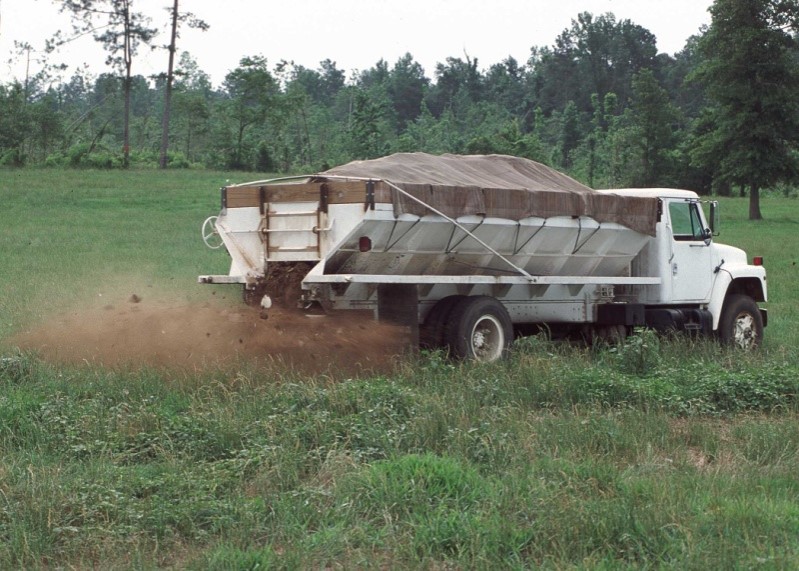
Poultry litter is commonly used as a fertilizer on pastures and hayfields in North Georgia. As the poultry industry expands to South Georgia, more litter will be available and its use in this region is expected to increase. Poultry litter is a good source of many nutrients. In fact, it is much like a complete…
Posted in: Poultry Co-Product Management -

Pine shavings are the most popular bedding material used in poultry houses. Due in part to the expansion of the poultry industry, pine shavings are in short supply, and alternative bedding materials are being tested. Giant miscanthus grass (GMG) is one such material. GMG is a perennial grass that is dried and chopped into one-inch…
Posted in: Poultry Co-Product Management -
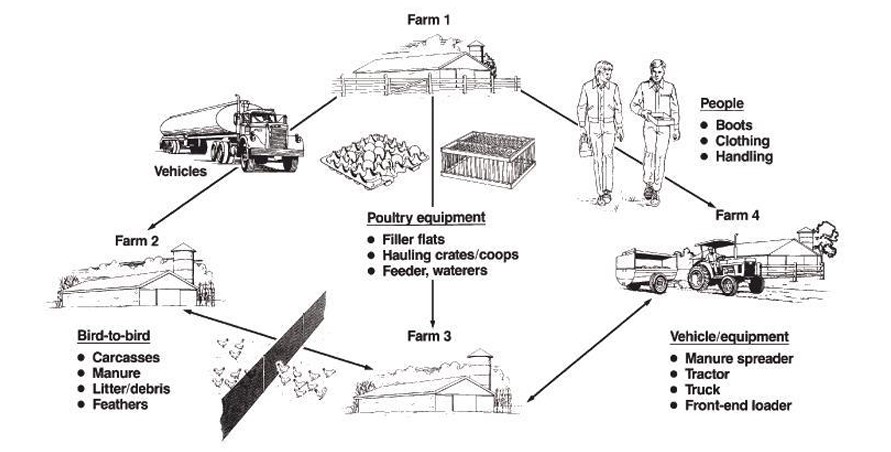
This publication outlines the information needed to develop a Comprehensive Nutrient Management Plan (CNMP) for dry poultry litter operations. The information collected from this checklist can be used in the CNMP Generator computer software developed by the University of Georgia Cooperative Extension. CNMP Generator software is available from county Extension agents and other state agricultural…
Posted in: Poultry Co-Product Management -
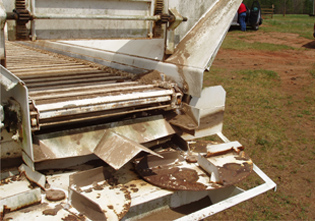
Calibrating a manure spreader is a simple, easy management tool that can help producers use nutrients from animal manure efficiently and safely. Over-application or uneven application of manure wastes nutrients and increases the chance of ground or surface water contamination. By knowing the application rate of the manure spreader, correct amounts of manure can be…
Posted in: Poultry Co-Product Management -
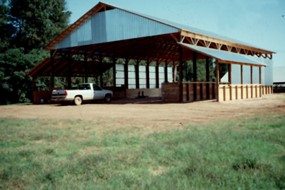
Georgia poultry farmers produce more than 2.0 million tons of poultry litter/manure annually in the process of producing meat and eggs. Fortunately, when stored and applied appropriately, this material has value as an organic fertilizer and soil conditioner. As a result, poultry litter/manure has been applied to Georgia’s soils dating back to the beginning of…
Posted in: Poultry Co-Product Management -
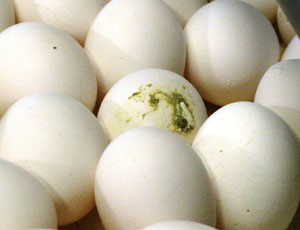
Commercial shell egg processing facilities use 1.5 to 3 gallons (5.7 to 11.4 L) of water per case (1 case = 360 eggs) of packaged table eggs, producing a relatively high-strength wastewater stream (Figure 1). Commercial shell egg processors in Georgia annually produce approximately 7 million cases of table eggs (2.5 billion eggs), generating 10.5…
Posted in: Poultry Co-Product Management -
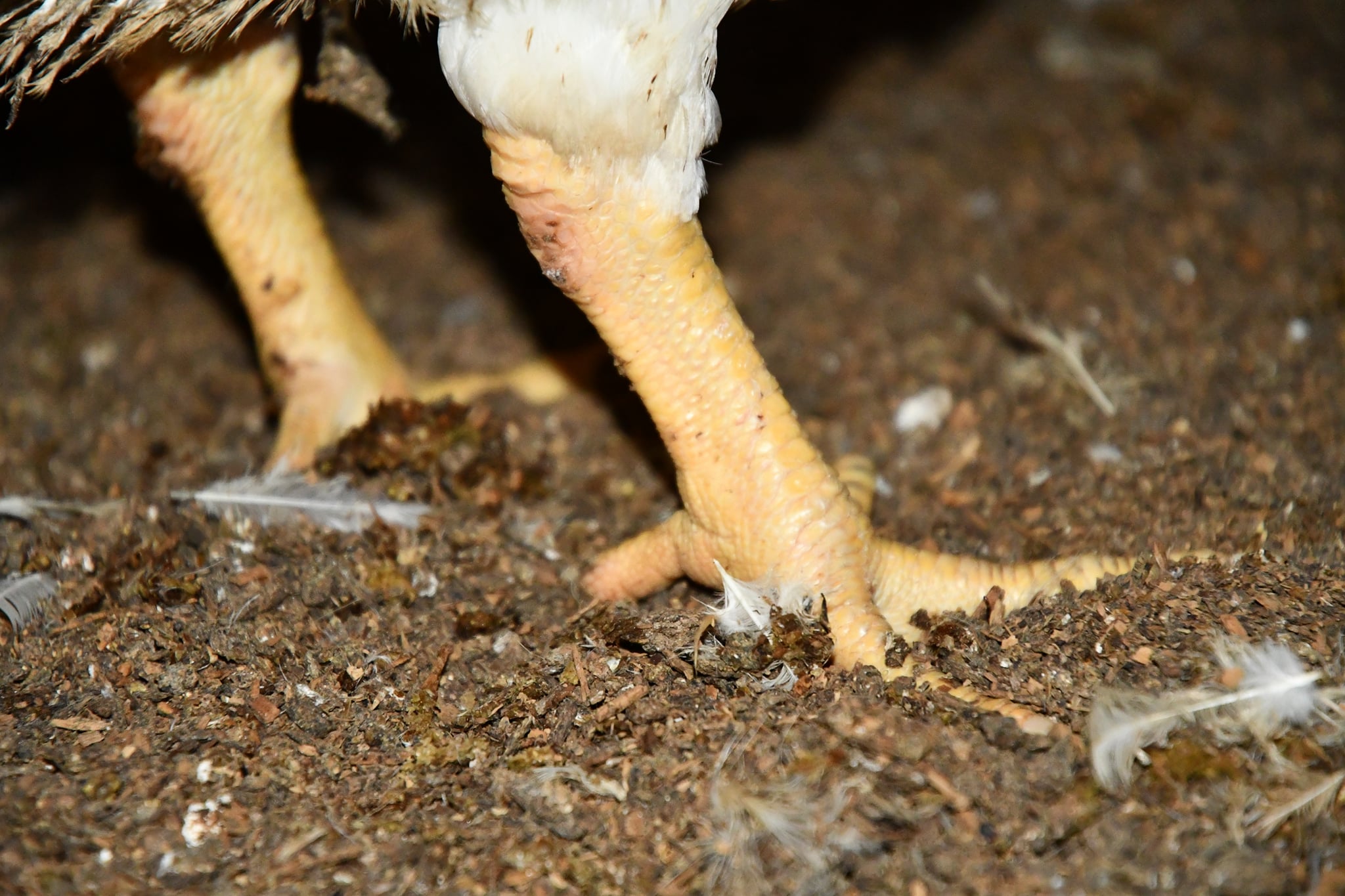
Quality of chicks, feed and water are all of great concern to broiler producers, but quality of litter in broiler houses is seldom given sufficient emphasis. This is unfortunate because birds are in continuous contact with litter. Litter conditions significantly influence broiler performance and, ultimately, the profits of growers and integrators. Litter is defined as…
Posted in: Poultry Co-Product Management -
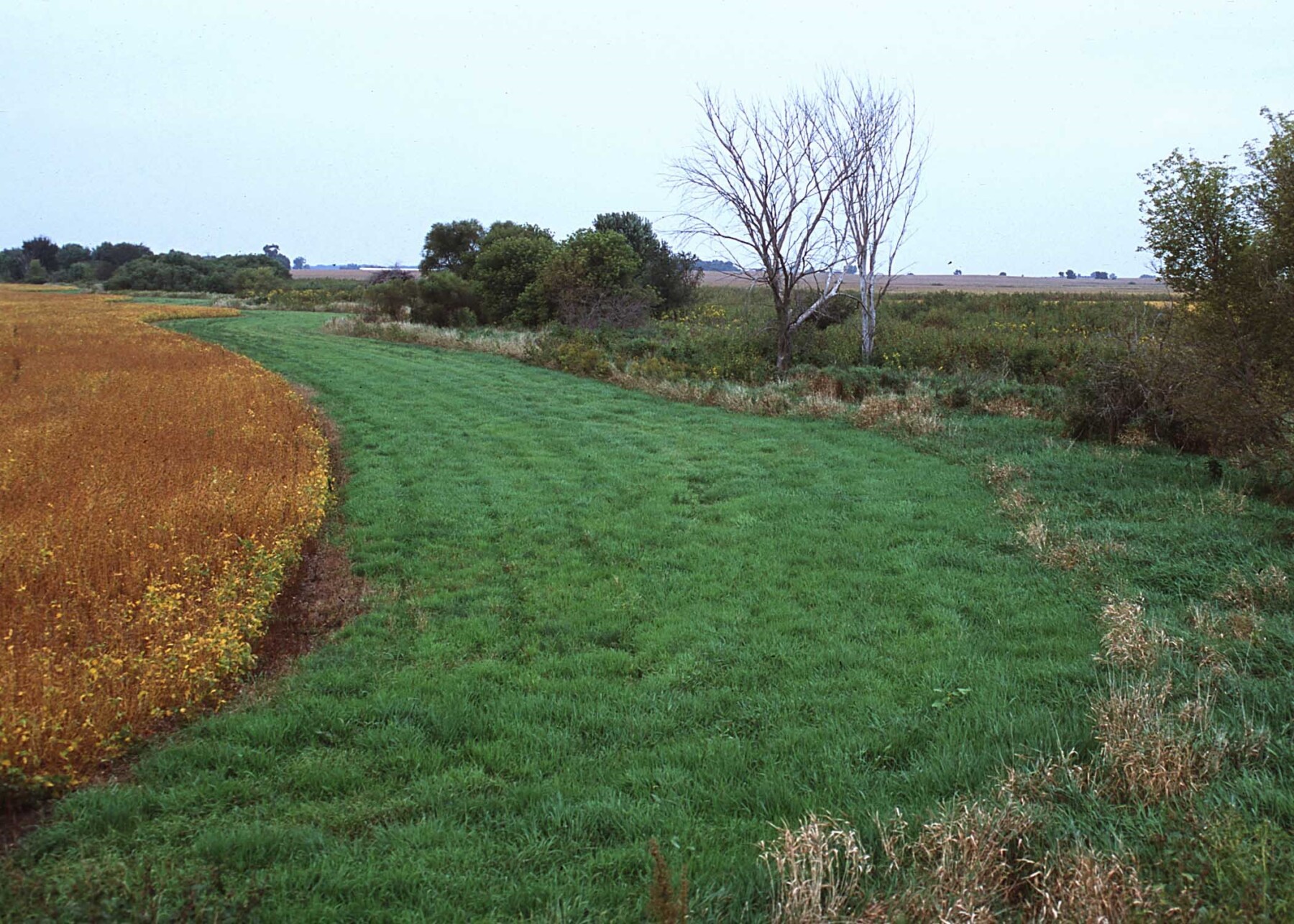
Poultry manure fertilizer contains all the essential nutrients required for crop production, and its value as an organic fertilizer and a source of plant nutrients has been recognized for centuries. Even with its beneficial effects on plant growth, however, manure constitutes only a small percentage of the nutrients applied to cropland when compared to commercial…
Posted in: Poultry Co-Product Management -

Poultry litter is a mixture of poultry manure, feathers, wasted feed, and bedding material that contains nitrogen, phosphate, potash, and other nutrients essential for plant growth. Poultry litter can vary considerably in nutrient content due to bird type, feed composition, bedding materials used, clean-out frequency, storage and handling practices, use of litter amendments, and other…
Posted in: Poultry Co-Product Management