Poultry Mortality Management
-
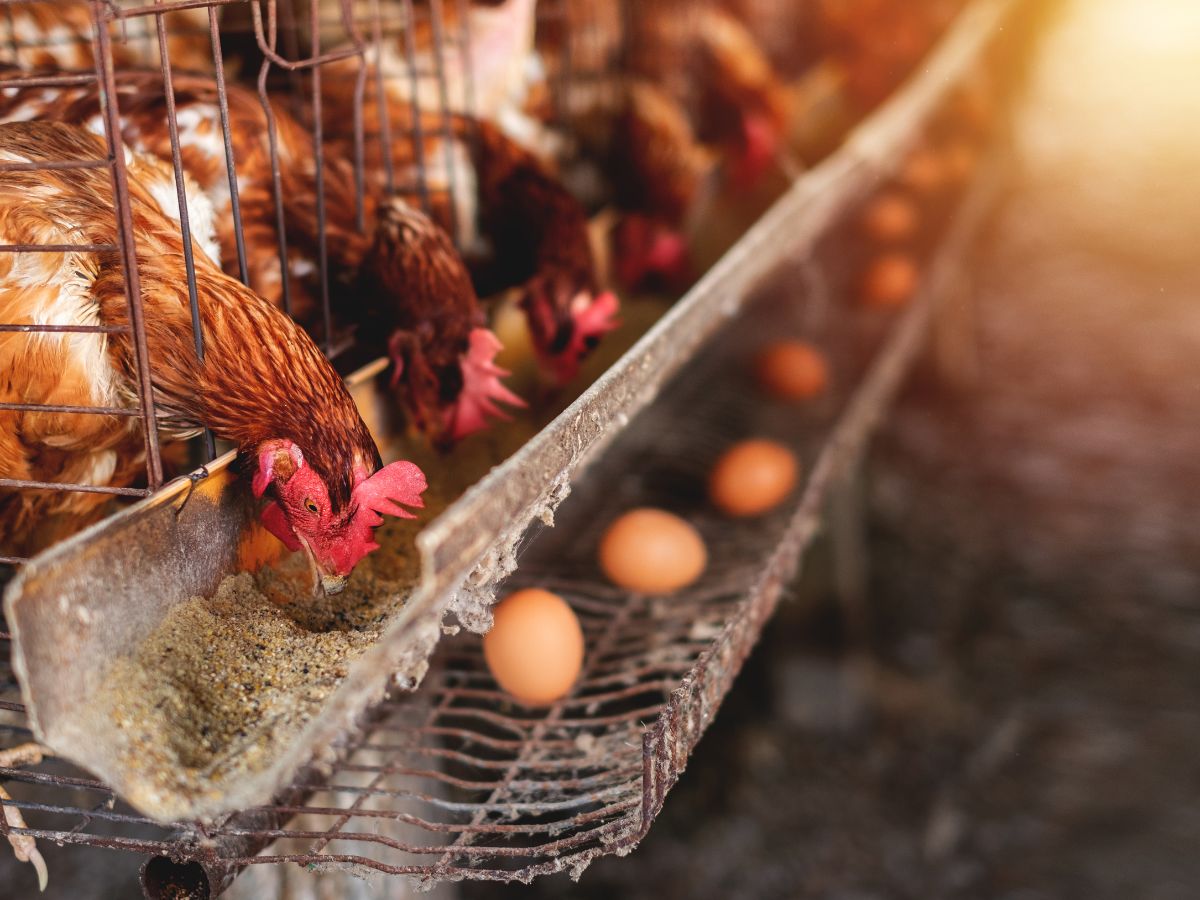
Hens produce fewer eggs as they age and at times the eggs may not be marketable. The producer can temporarily reverse this decline or recover production for six or eight months by using an induced molt. By the time hens are two years old, and veterans of two or three production cycles, they will have to…
Posted in: Poultry Mortality Management -
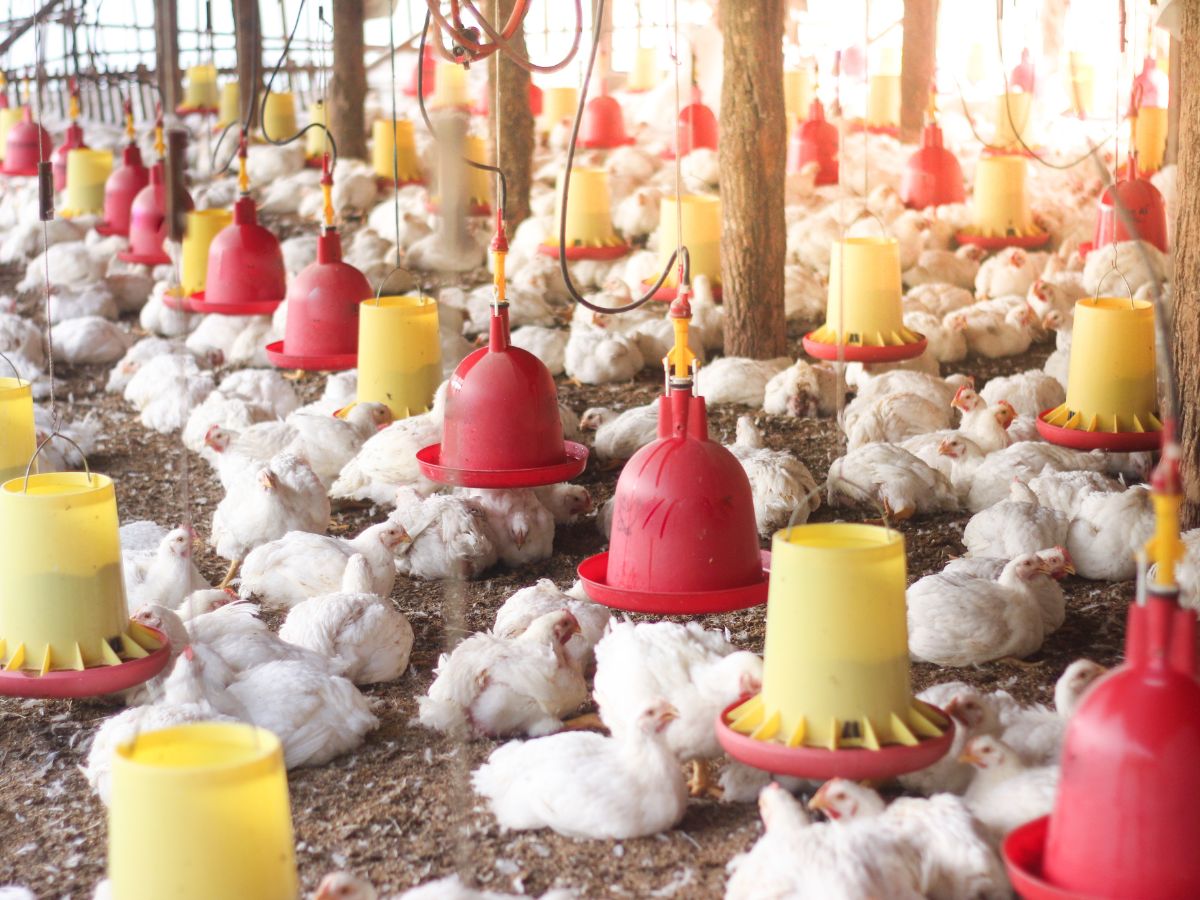
Fermentation Fermentation procedures, first proposed in 1984 and not commercially tested until 1992, are a more demanding but safer and perhaps more cost-effective method of preserving carcasses until the industry is prepared to handle their further processing and reuse. In fact, fermentation safely disposes of poultry mortalities by “processing” them on-site. The pickled carcasses can…
Posted in: Poultry Mortality Management -
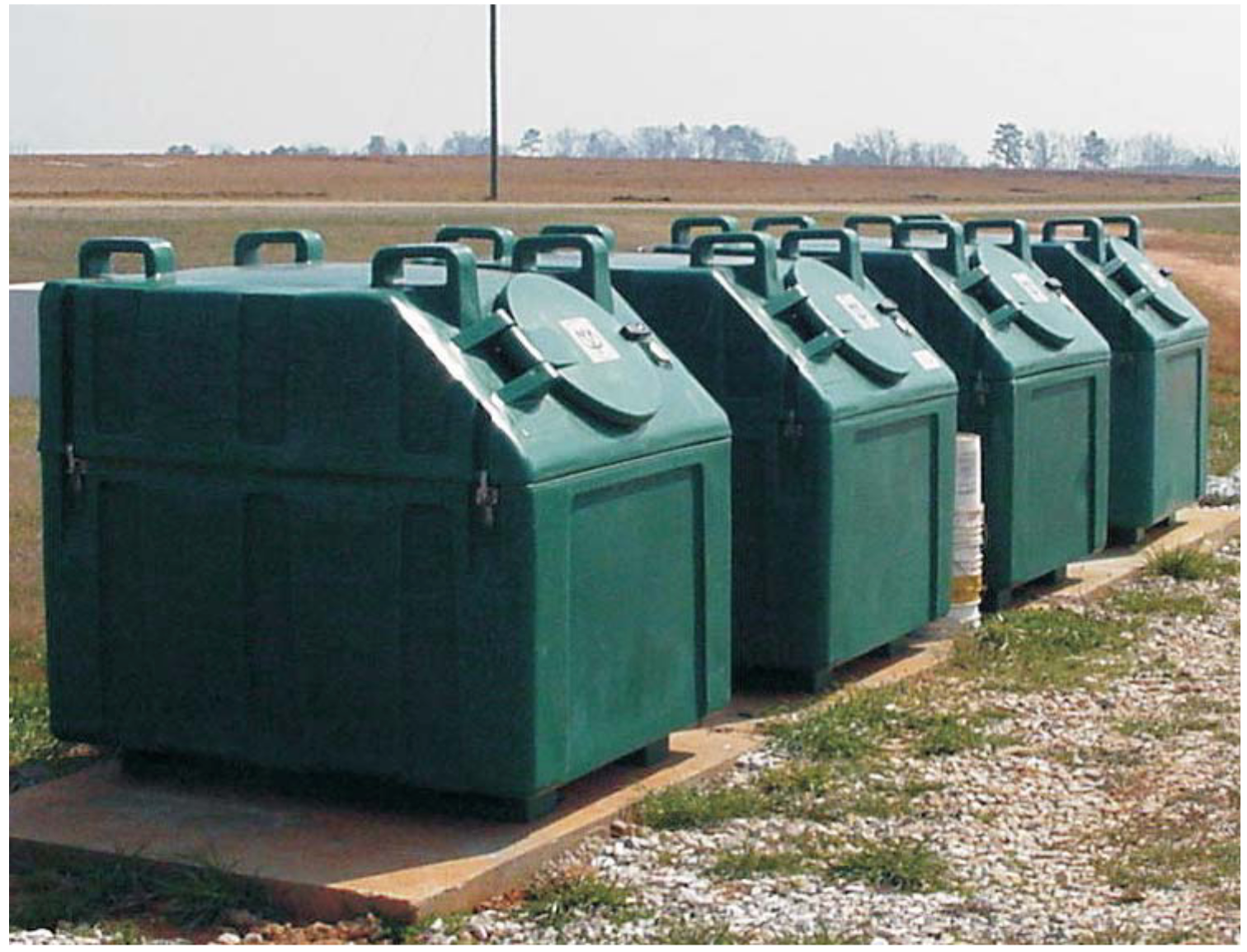
Rendering — the process of separating animal fats, usually by cooking, to produce usable ingredients such as lard, protein, feed products, or nutrients — is one of the best ways to convert poultry carcasses into other products. We are now able to reclaim or recycle nearly 100 percent of inedible raw poultry material, including bones…
Posted in: Poultry Mortality Management -
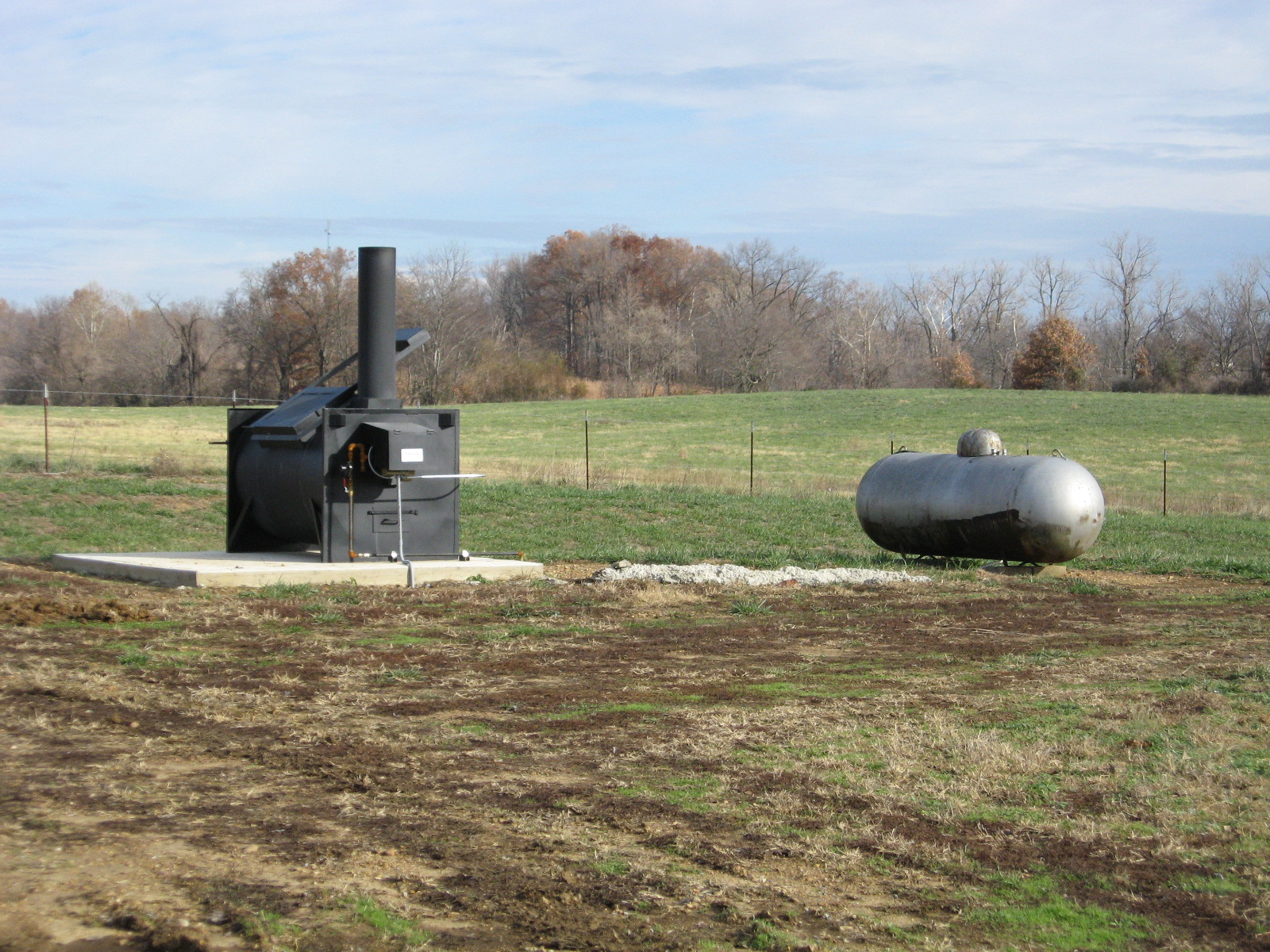
Incineration, or cremation, is a safe method of carcass disposal and may be the method of choice in areas plagued by poor site drainage and rocky soils. The major advantage of incineration is its ability to curtail disease. It is biologically secure, and it does not create water pollution problems. Even its by-product — ashes…
Posted in: Poultry Mortality Management -
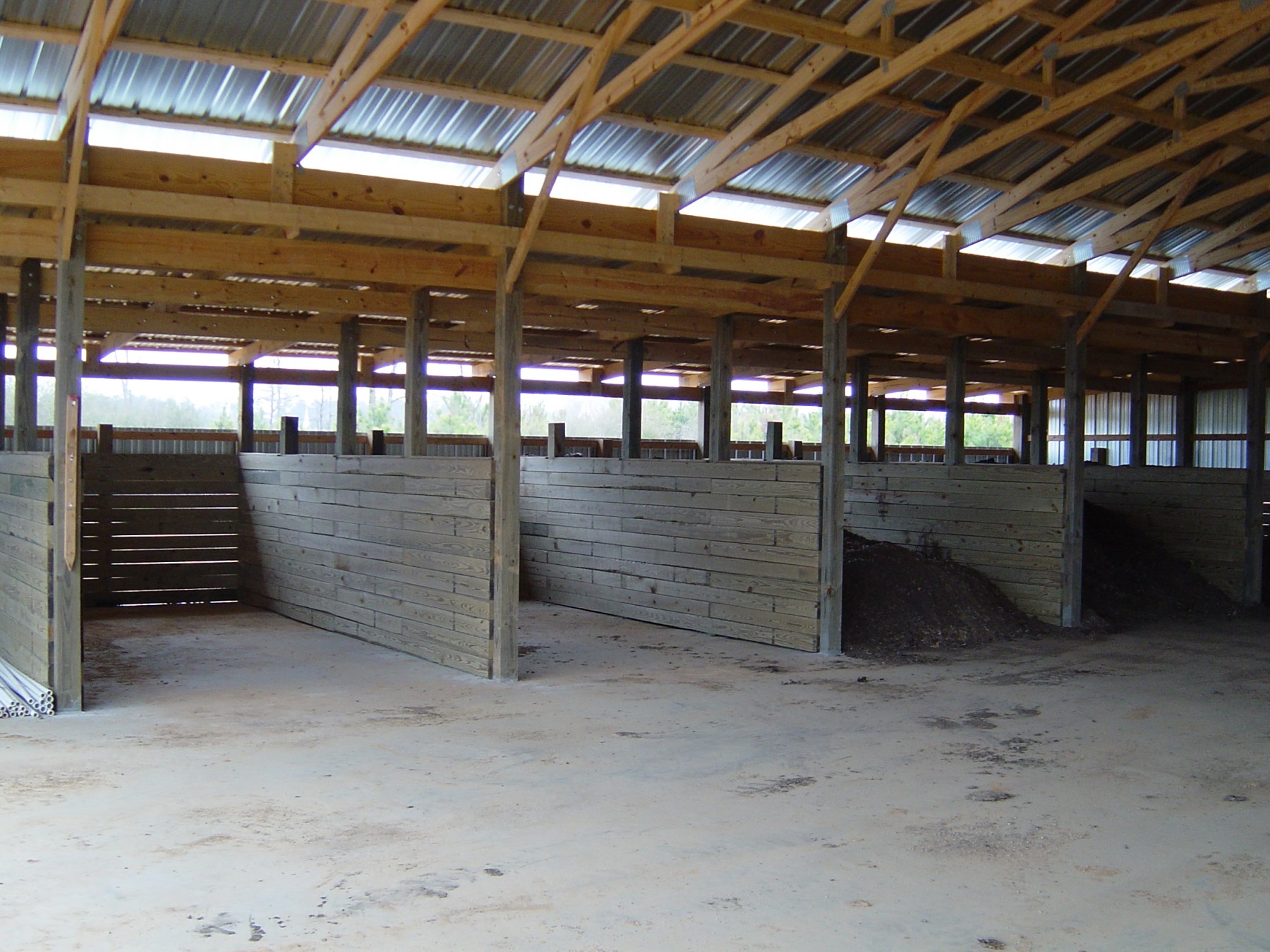
Composting poultry mortalities is a relatively new, practical, and sanitary alternative to burial pits and incinerators. It is an economical, fairly odorless, and biologically sound practice for broiler, turkey, layer, and Cornish hen operations. Management commitment is the key to successful composting. Composting resolves the disposal problem and yields a valuable product — a reduced…
Posted in: Poultry Mortality Management