Ashley Williams

-
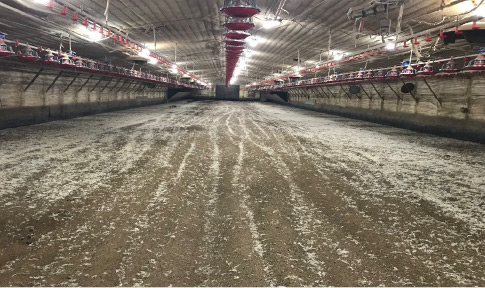
One of the most important aspects of commercial poultry production today is the effective management of litter material. Litter management practices will become even more critical as much of the broiler industry moves toward antibiotic-free production to meet consumer demand. Poor quality litter can have serious negative consequences on bird health and overall flock performance.…
Posted in: Poultry Co-Product Management -
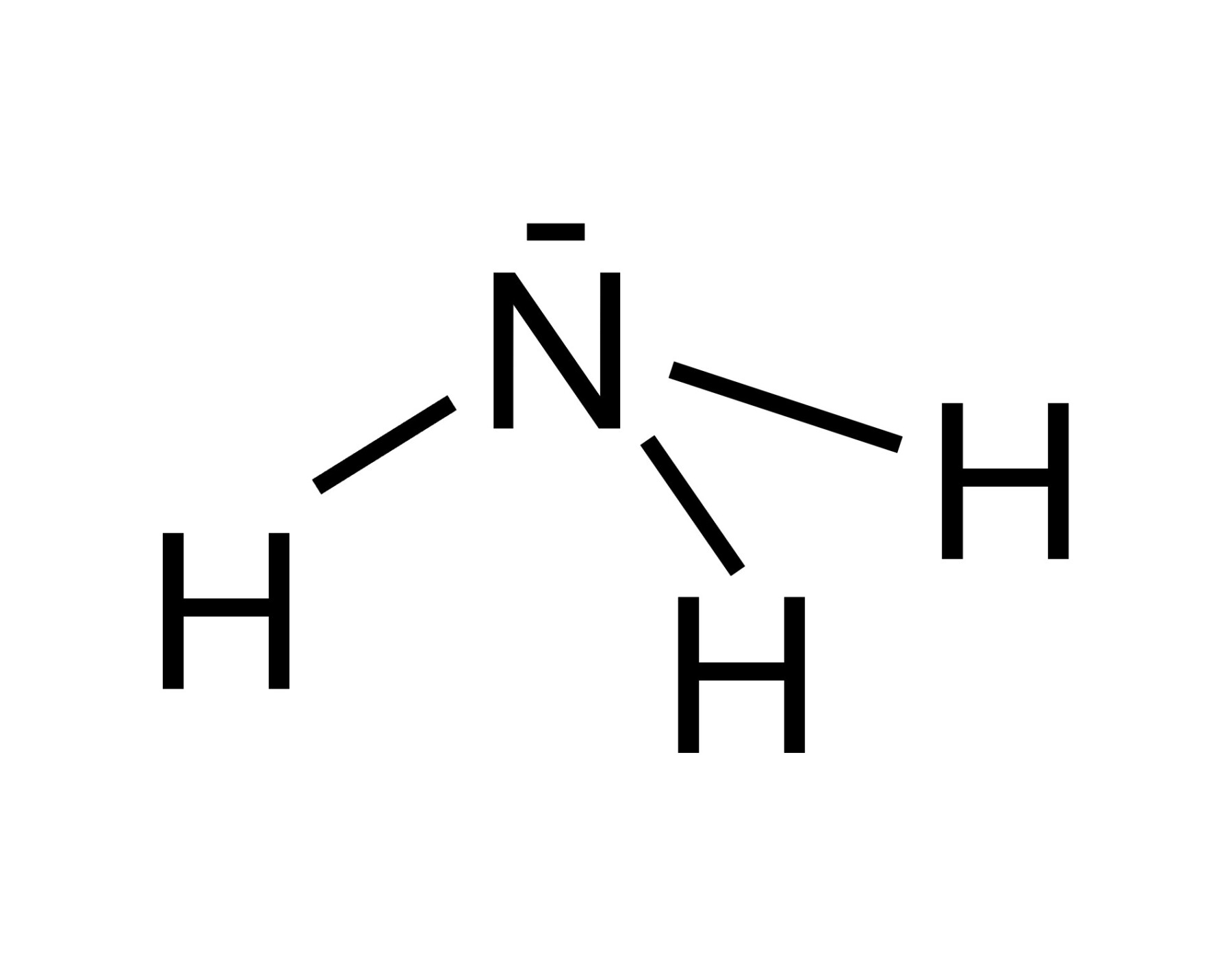
The effects of ammonia volatilization from litter can be significant at levels above 25 parts per million. It may adversely affect the birds’ growth rate, feed efficiency, and egg production; damage the respiratory track; and increase the birds’ susceptibility to a variety of avian diseases, including Newcastle disease, airsaculitis, Mycoplasma gallisepticum, and keratoconjunctivitis. Ammonia volatilization…
Posted in: Air Quality -
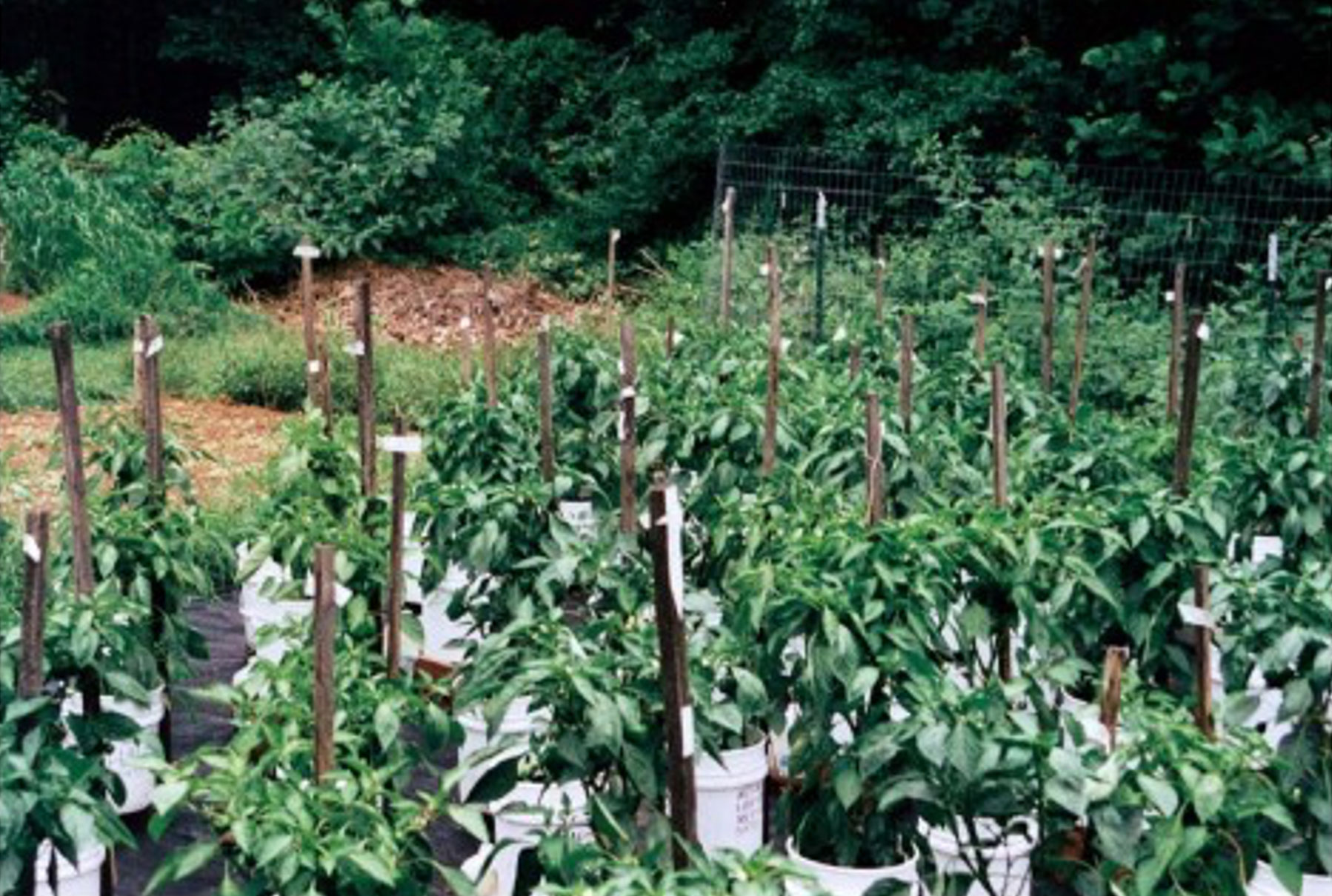
Because it has essentially no unpleasant odors, well-composted broiler litter can be used indoors in a soilless potting medium. In fact, its nutrient content makes composted litter an ideal fertilizer for both indoor and outdoor gardens. It is also a good organic material for improving soil structure and drainage.
Posted in: Soil and Land Application -

Land application, especially field spreading, is in most cases the best use of poultry manure and litter. It recovers nutrients that would otherwise be lost, improves yield, and reduces the possibility of releasing this material to water and the environment.
Posted in: Poultry Co-Product Management -
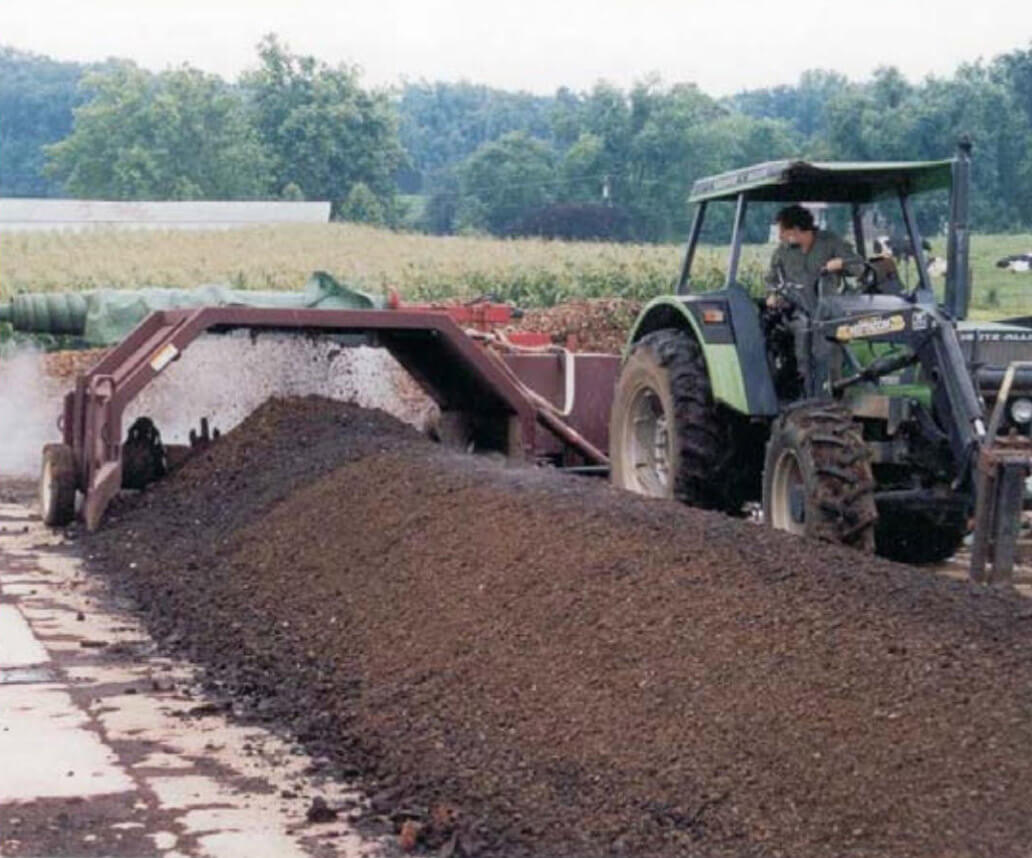
Poultry litter or layer manure is most often land applied to pastures and crops for its value as an organic fertilizer. We know from long experience how beneficial this practice can be when soil and manure nutrient testing are integrated with crop nutrient needs to determine the amount and timing of the application. This integration…
Posted in: Poultry Co-Product Management -
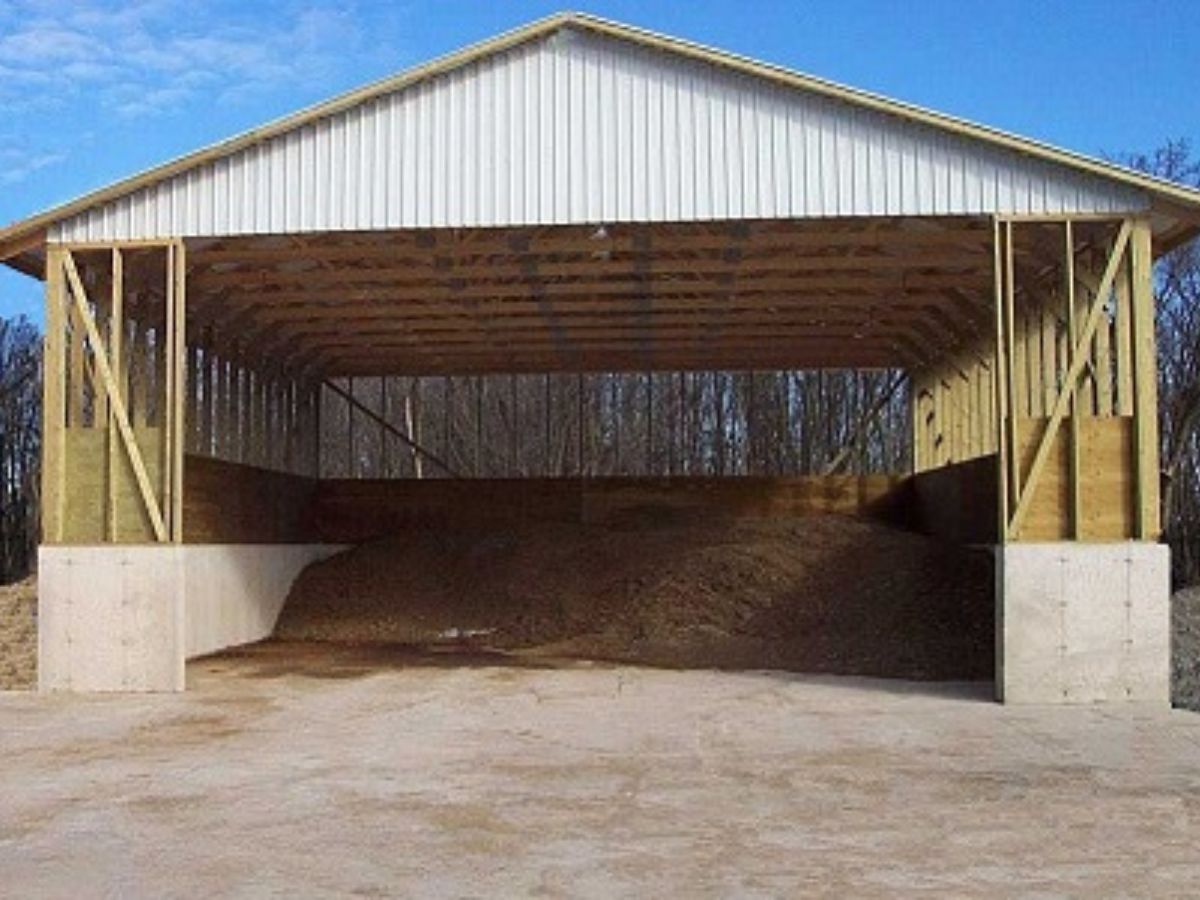
A well-planned waste management system will account for all wastes associated with a poultry agricultural enterprise throughout the year, from the production of such wastes to their ultimate use. The more integrated the waste management system is with the grower’s other management needs, such as production, marketing, pest control, and conservation, the more profitable the…
Posted in: Poultry Co-Product Management -

Poultry litter is a valuable by-product of the poultry industry. It is, for example, a natural soil amendment — a source of nutrients and organic matter that can increase soil tilth and fertility. If it is mishandled, it is also a potential pollutant of surface and groundwater.
Posted in: Poultry Co-Product Management -
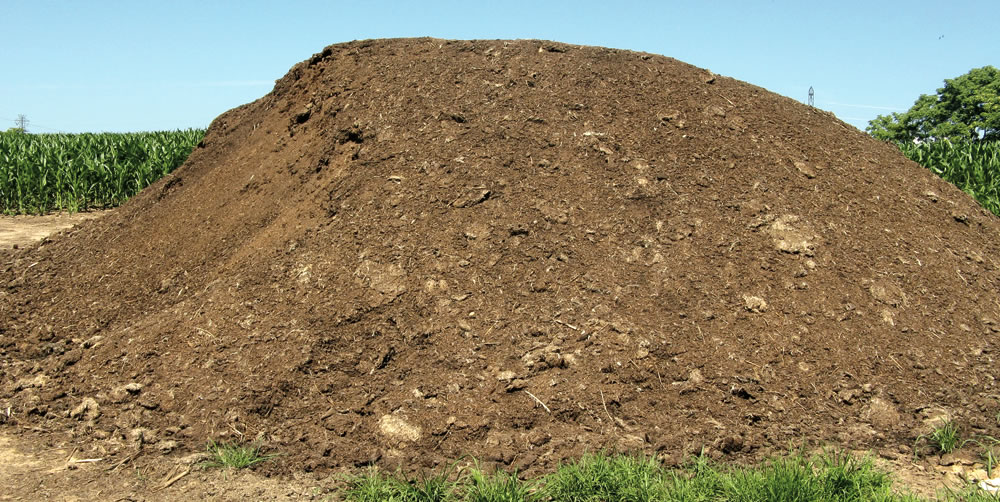
Poultry raised for commercial purposes produce large amounts of manure which — unlike the manure of free range or pastured animals — is a collectible resource. It contains valuable plant nutrients and other chemicals that, if properly managed, can be returned to the land or processed for other uses. Therefore, anyone planning to undertake a…
Posted in: Poultry Co-Product Management -
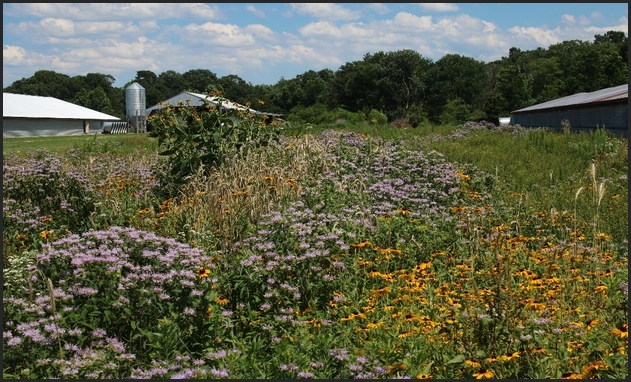
In the United States, poultry is a major source of agricultural income. In 2023, according to the National Agricultural Statistics Service, the combined value of production from broilers (64 percent), eggs (27 percent), and turkeys (9 percent) contributed $80 billion to the economy. USDA-Economics, Statistics and Market Information System – Poultry Production and Value U.S.…
Posted in: Introduction