Poultry Co-Product Management
-
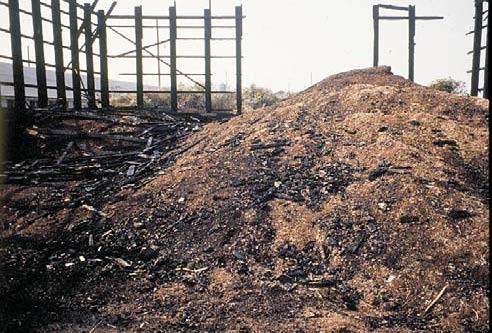
Hundreds of poultry manure/litter storage structures have been built as components of total waste management programs on poultry farmsteads. Storage facilities help prevent the possibility of water pollution and provide flexibility in the timing of land applications. They also protect this resource from the weather and wildlife so that it can be used as fertilizer…
Posted in: Poultry Co-Product Management -
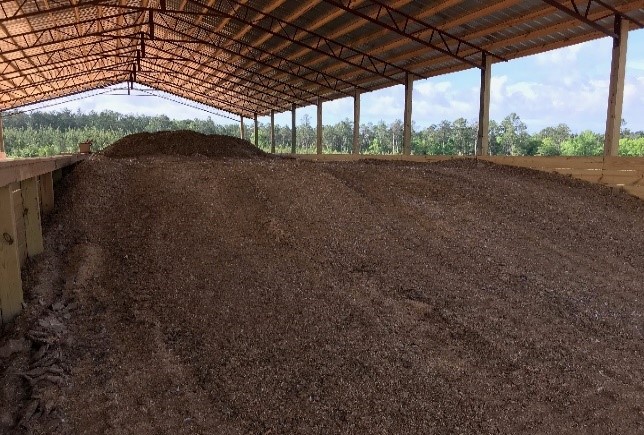
In today’s commercial poultry industry, dry stack litter sheds are important components of a poultry producer’s waste management program. Litter storage structures enable poultry farmers to store or stockpile litter and later land apply at the appropriate time. Litter is periodically removed from poultry houses and must be handled in an environmentally sound manner. To…
Posted in: Poultry Co-Product Management -
The Confined Animal Manure Managers (CAMM) program team consists of agents and specialists with Clemson University, the Clemson Extension Service, the SC Department of Health and Environmental Control, and the USDA Natural Resources Conservation Service. The team was assembled in 1998
-
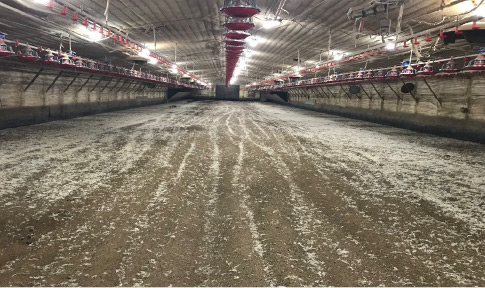
One of the most important aspects of commercial poultry production today is the effective management of litter material. Litter management practices will become even more critical as much of the broiler industry moves toward antibiotic-free production to meet consumer demand. Poor quality litter can have serious negative consequences on bird health and overall flock performance.…
Posted in: Poultry Co-Product Management -

Manure management on duck, geese, and some layer operations is often handled through liquid waste systems, even though water increases the volume of waste to be processed. In liquid waste management systems, collection and storage are generally combined in one operation, in facilities that may include pits, settling tanks, and/or lagoons (earthen storage ponds). Lagoons…
Posted in: Poultry Co-Product Management -
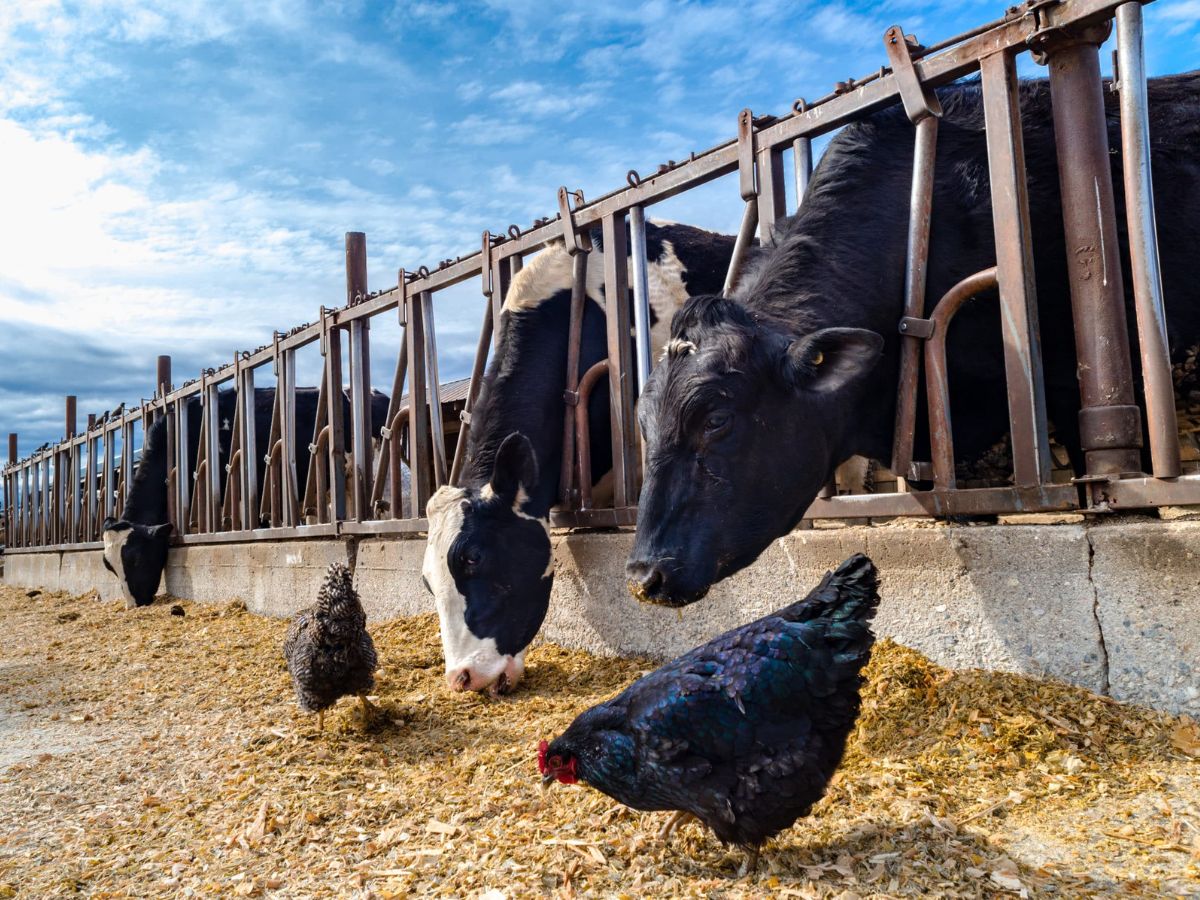
Broiler and turkey litter and caged layer waste (commonly referred to as dried poultry waste or DPW) can be mixed with corn and fed to cattle and other ruminants (e.g., sheep and goats). While corn may be the most popular ingredient to mix with litter, any number of palatable feeds in addition to corn can…
Posted in: Poultry Co-Product Management -
The structure of animal agriculture in the U.S. has changed dramatically over the past three decades. The poultry industry today is highly vertically integrated, resulting in increased issues with the utilization and disposal of animal waste. Enormous amounts of nutrient rich animal manures are often produced in relatively concentrated regions. Managing large quantities of poultry…
Posted in: Poultry Co-Product Management -
Improving nutrient utilization has continued to be a high priority for the poultry industry. This has been addressed through several avenues that include genetic selection of meat birds with better nutrient utilization; precision nutrition to more efficiently address nutrient requirements; improved understanding of ingredient value; and utilization of enzymes to increase the digestibility of feedstuffs.
Posted in: Poultry Co-Product Management -
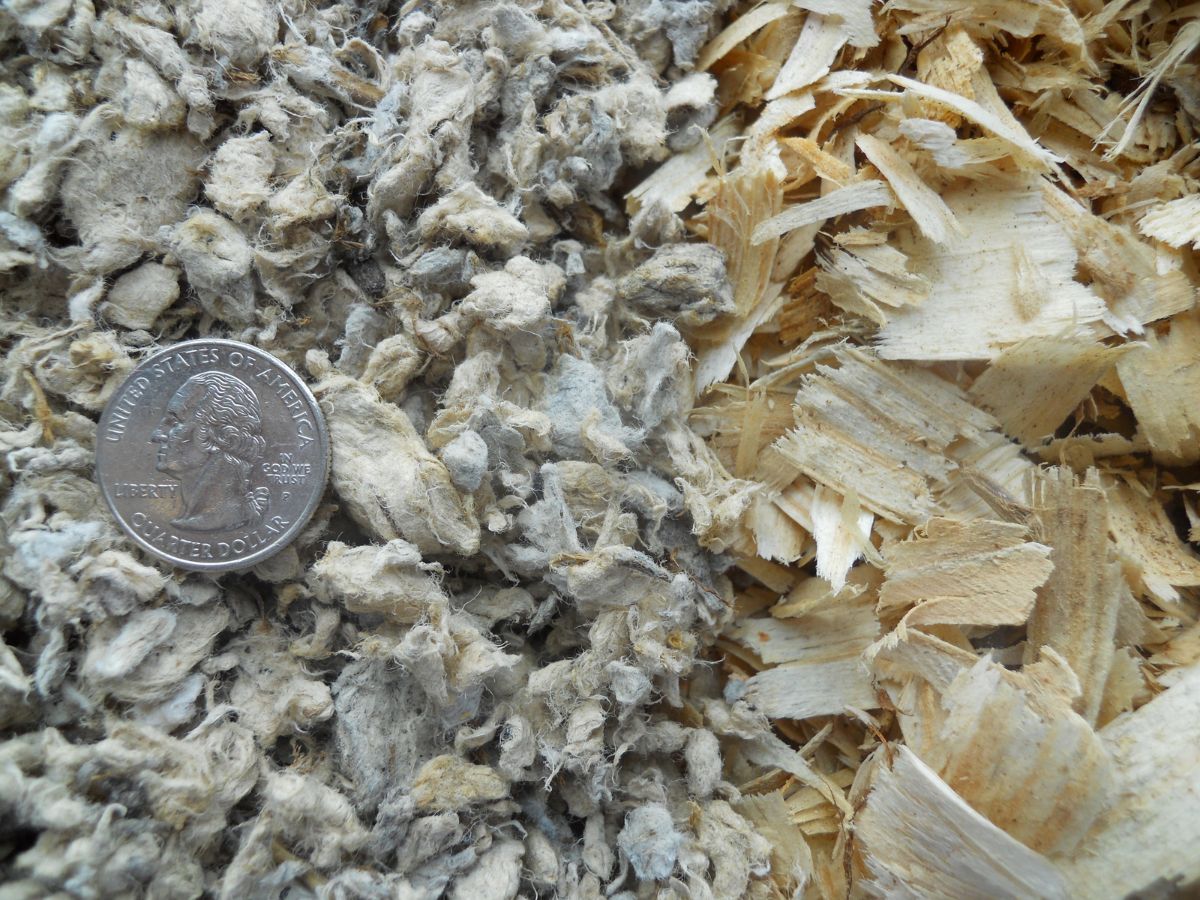
In the Near East (Morocco), straw is the conventional poultry litter. Recent drought conditions, however, have depleted supplies, forcing growers to pay more and settle for less — or find alternatives. This story is repeated in many regions: the conventional bedding materials and the cause of the shortage may vary, but the race is on…
Posted in: Poultry Co-Product Management -
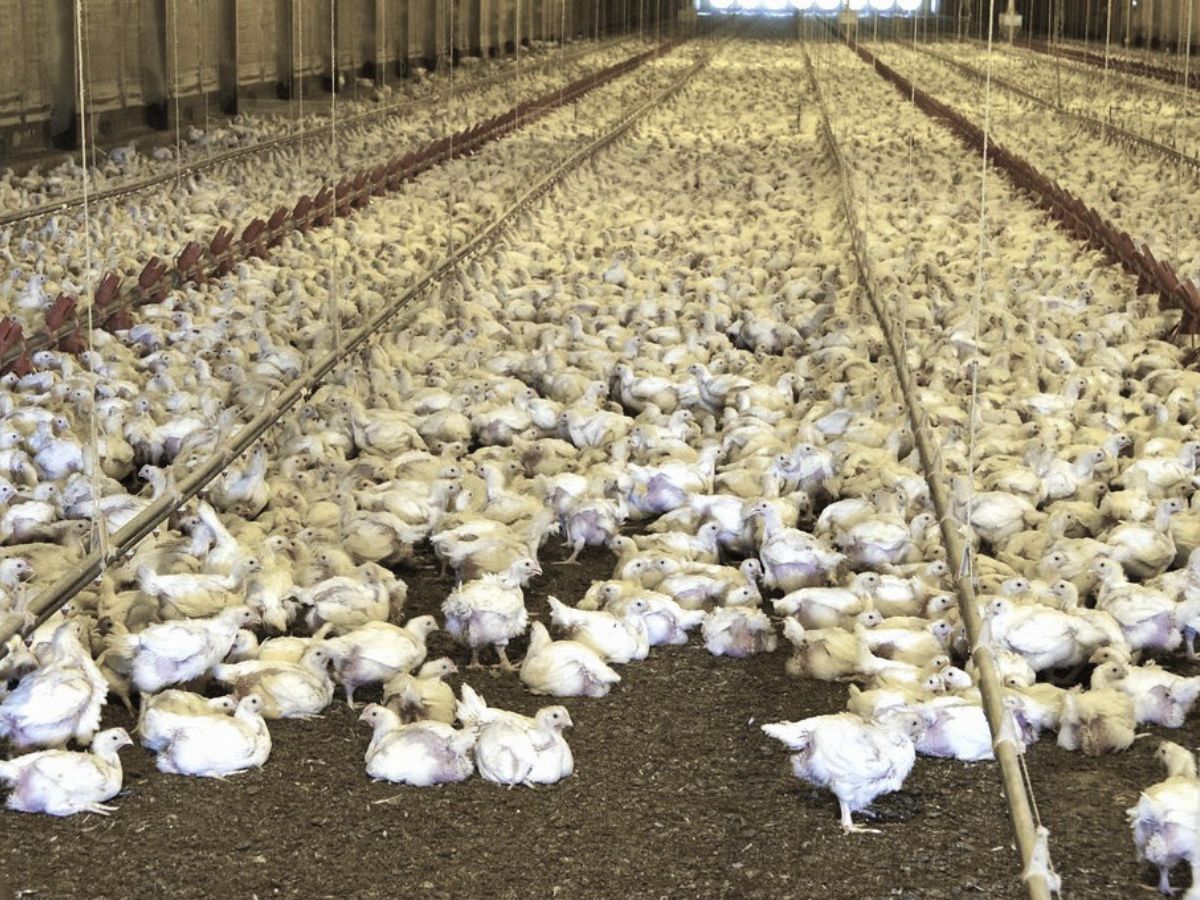
A poultry farm is a CAFO—concentrated animal feeding operation—if it meets one of the following conditions: Large CAFO Medium CAFO Designated CAFO: Regardless of size, any animal feeding operation can be designated a CAFO if the permitting authority finds that it is adding pollutants to surface waters. All CAFOs must have permits, usually issued by…
Posted in: Poultry Co-Product Management