Poultry Farmstead
-
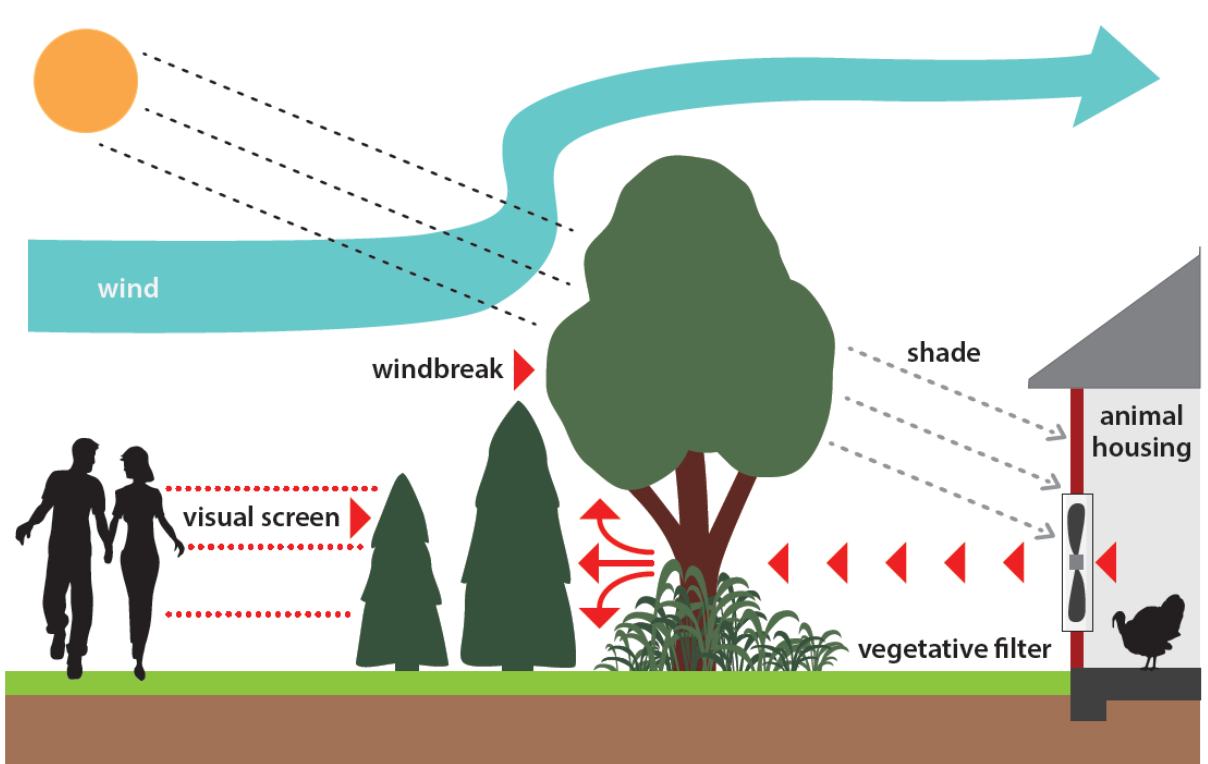
Paul H. Patterson, Professor, Emeritus of Poultry Science, Penn State University, php1@psu.edu, (814) 865-3414 Vegetative buffer for poultry come in many types and sizes but are utilized predominantly for environmental conservation practices: 1. To landscape and beatify the farm and buildings and screen their view from the road and neighbors, 2. As vegetative filters for…
Posted in: Poultry Farmstead -
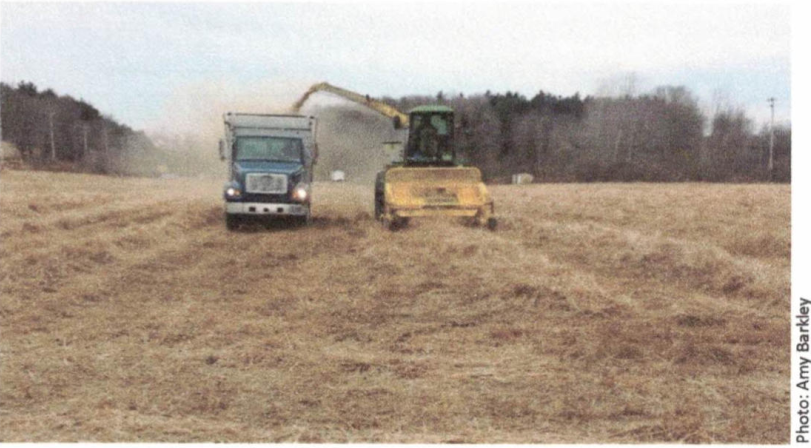
Introduction to Vegetative Buffers as Biomass: Vegetative buffers are gaining popularity in the Northeastern U.S. for their ability to serve multiple functions. Their value is increasing as they are being explored to enhance environmental stewardship on poultry farms. In addition to their merit as living filters for air and water quality, buffers can be harvested…
Posted in: Poultry Farmstead -
Introduction The U.S. poultry industry is the world’s largest producer and second largest exporter of poultry meat. U.S. consumption of poultry meat (broilers, other chicken, and turkey) is considerably higher than beef or pork. Considering overall animal production in the U.S., the total number of chickens per farm has increased considerably. This national trend of…
Posted in: Poultry Farmstead -
 Posted in: Poultry Farmstead
 -
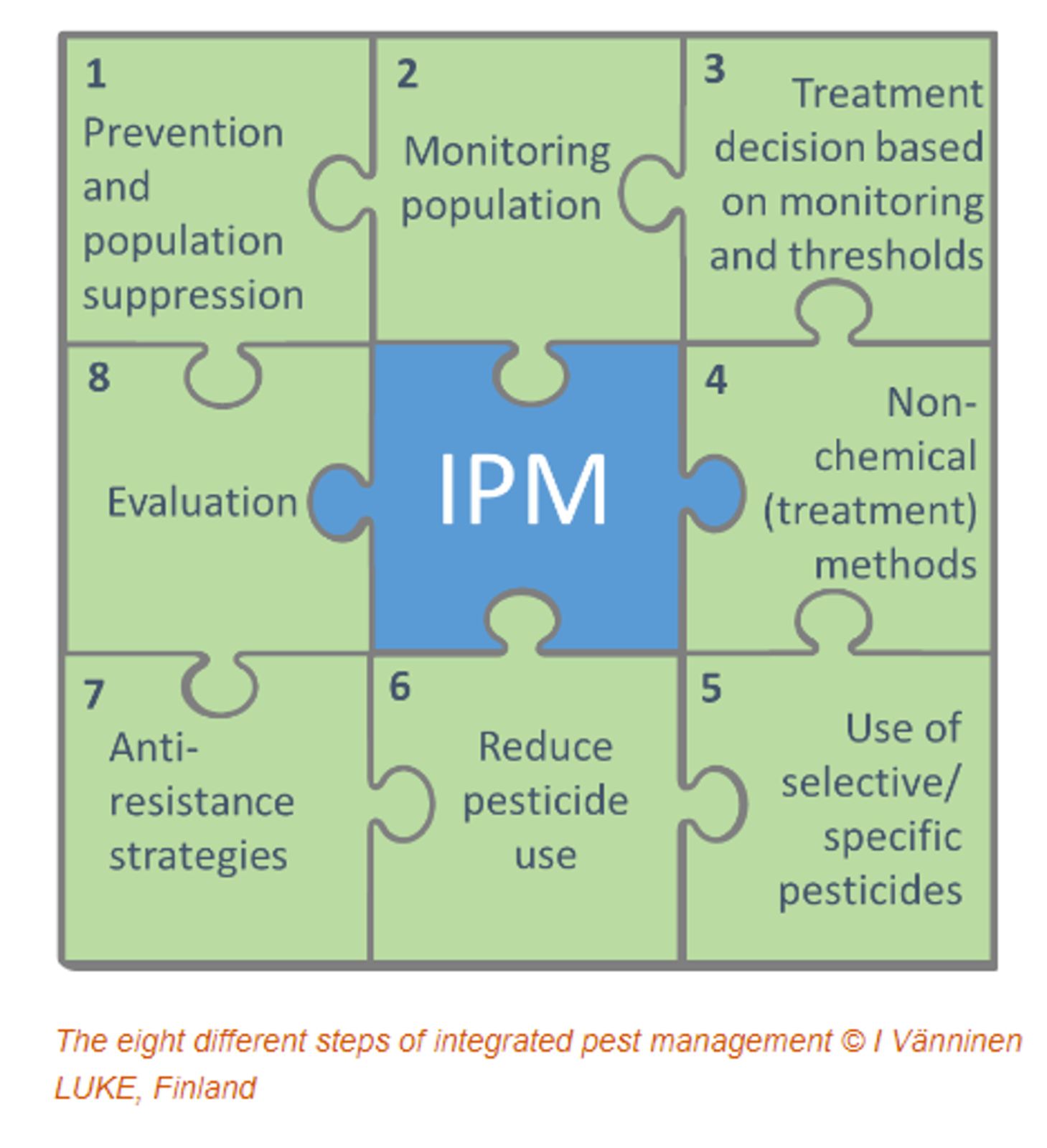
Integrated Pest Control – IPM If managing litter, manure, or compost, farmers need to pay close attention to pests that may be attracted to these materials. Diseases have been known to spread by pests to farms simply because there were piles that attracted them to the farm. Integrated pest management (IPM) is a methodology that…
Posted in: Poultry Farmstead -
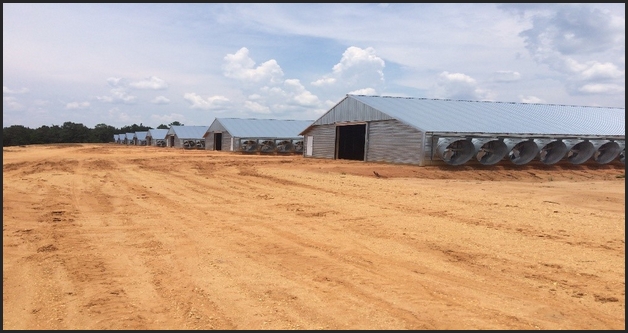
Land development throughout the country is increasingly bringing residential development and non-farmers into rural agricultural areas. Many of these new residents to the countryside have no previous exposure to agriculture or farming. As a result, they often have misconceptions about what activities occur in farming operations. This influx of new (and perhaps misinformed or uneducated…
-
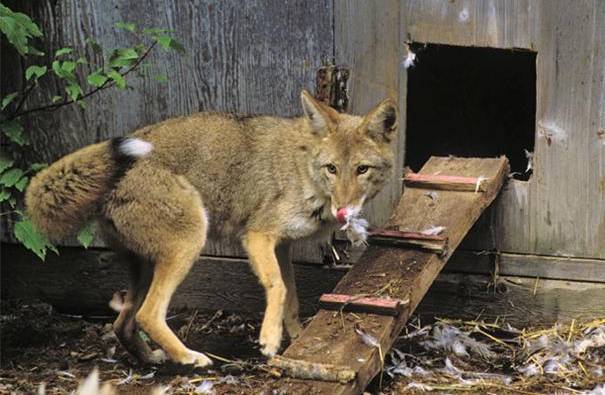
Coyotes and feral dogs are opportunistic feeders. If they live in the area, their presence around a poultry house is not remarkable. They will kill the poultry for food, but they can easily be prevented from gaining access to the house. Complete confinement of the poultry is the best way to stop predation.
Posted in: Poultry Farmstead -
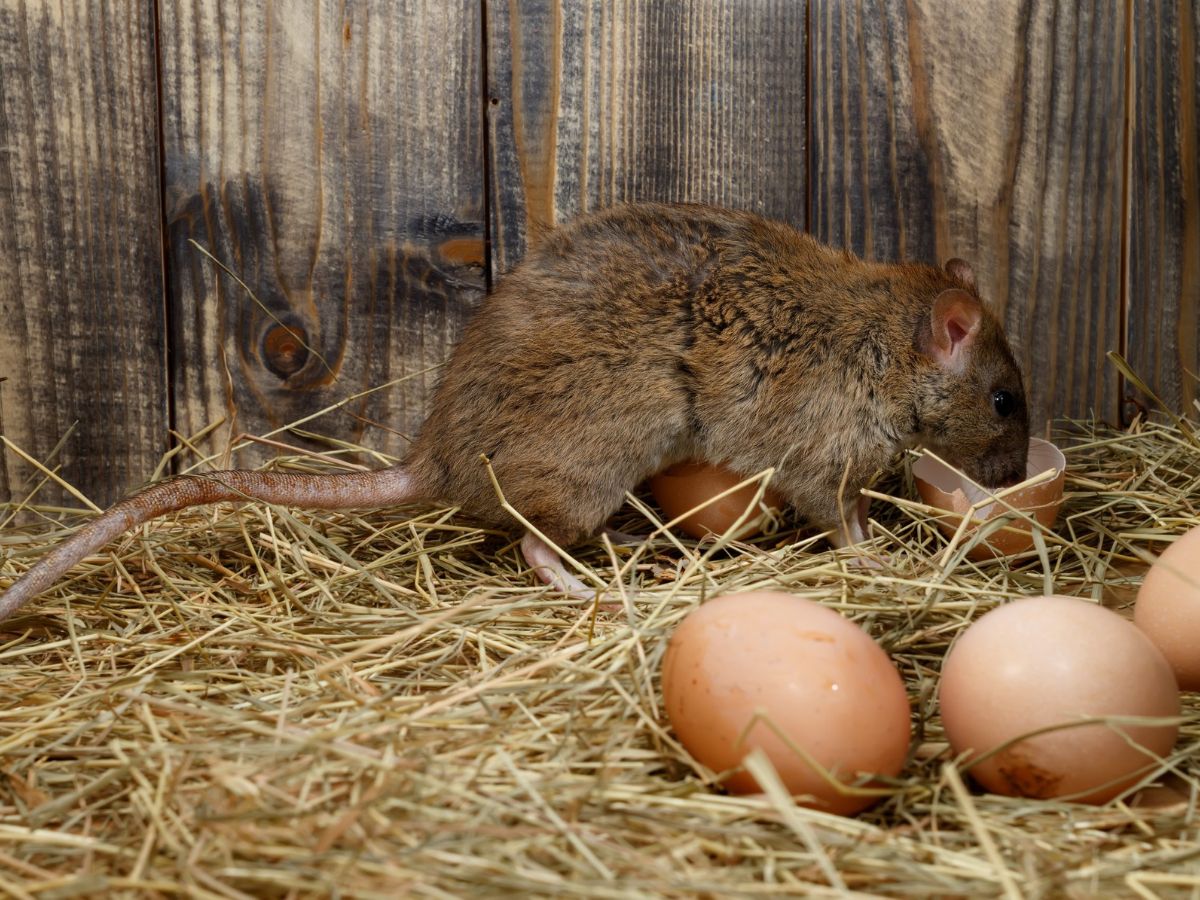
Voles, field mice, and cotton rats are not usually the source of problems for poultry growers. Norway rats and roof rats, however, are two non-native species of rats that can be troublesome — and they proliferate rapidly.
Posted in: Poultry Farmstead -

Known as litter beetles, lesser mealworms, or “black bugs,” the darkling beetle (Alphitobius diaperinus) is found in large numbers in poultry houses, in the woods, and around feed bins. These black or reddish-brown beetles are troublesome in turkey and broiler production because deep litter and open-floor housing provide an ideal habitat in which the beetles…
Posted in: Poultry Farmstead -
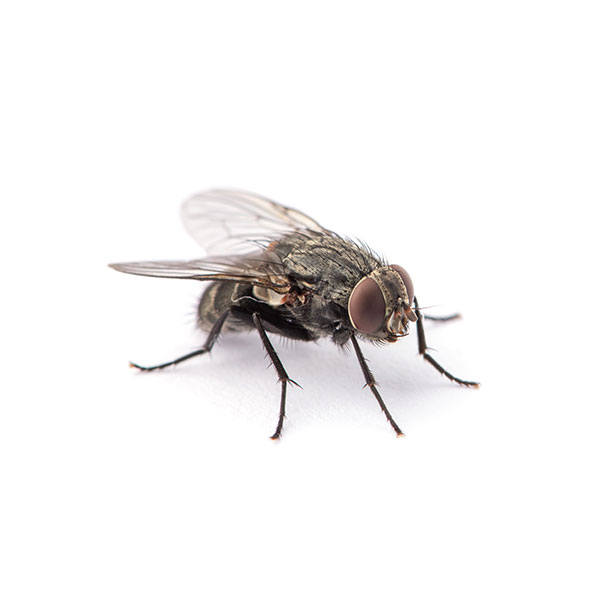
For a growing industry in a rapidly changing environment, the presence of pests is an ongoing concern. Numerous species of flies can breed in litter and manure, come to maturity (some in as few as seven days; most in two weeks), and disperse up to a mile or more from their breeding place. Manure handling…
Posted in: Poultry Farmstead